

In this article, we’ll explore how drones are transforming the real estate industry and why every modern property professional should consider integrating them into their workflow.
The Rise of Drones in Real Estate
Drones, also known as unmanned aerial vehicles (UAVs), have rapidly grown in popularity across multiple industries. In real estate, drones offer a unique perspective that traditional photography simply cannot match. By giving potential buyers a bird’s-eye view of a property, surrounding areas, and amenities, drones create a more immersive experience that drives engagement and interest.
Modern real estate marketing is no longer limited to static images. High-definition drone photography and videography allow agents to showcase entire neighborhoods, property layouts, and landscapes in a way that captivates potential buyers instantly.
Key Benefits of Using Drones in Real Estate


1. Stunning Aerial Photography and Videography
One of the most obvious advantages of drones is the ability to capture high-quality aerial visuals. Unlike traditional ground photography, drones can present a property from angles that highlight its full potential, including backyard spaces, pools, landscaping, and surrounding community features.
2. Faster Property Inspections
Drones are increasingly used for property inspections. They can safely access rooftops, tall buildings, and difficult-to-reach areas, providing detailed images that help agents and buyers assess property conditions without risking safety.
3. Enhanced Marketing and Engagement
Properties showcased with drone footage are proven to attract more views online and generate more leads. Aerial videos can be used across social media, websites, and listing platforms, giving properties a professional edge and making them stand out in crowded markets.
4. Accurate Land and Property Surveys
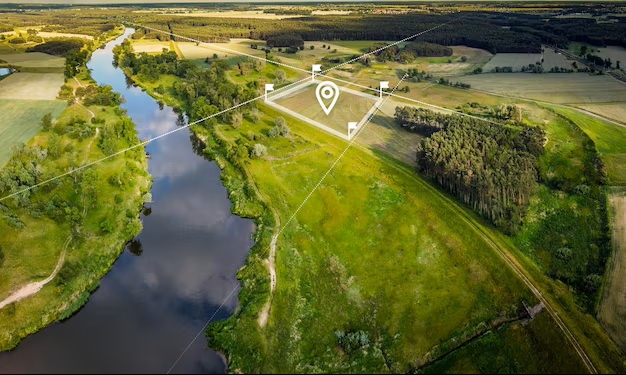
Drones equipped with advanced sensors and mapping software allow real estate professionals to create accurate 3D models of properties, measure land boundaries, and analyze terrain. This is particularly useful for large estates, commercial properties, and new developments.
5. Time and Cost Efficiency
Traditional photography and surveying methods can be time-consuming and expensive. Drones streamline the process, reducing the need for multiple visits and on-site equipment, ultimately saving both time and money.
How Drones Improve Buyer Experience

In today’s digital age, buyers want more than just photos—they want an experience. Drones enhance the buying journey by:
- Providing a comprehensive property overview: Buyers can see the full property layout, surrounding amenities, and neighborhood context in one shot.
- Increasing transparency: Detailed aerial views reduce surprises and build trust with potential buyers.
- Making virtual tours more immersive: Drone videos can be integrated into virtual reality (VR) tours for a fully interactive experience.
Future Trends: Drones in Real Estate
The integration of drones into real estate is only set to grow. Some emerging trends include:
- AI-Powered Drone Analytics – Using artificial intelligence to analyze aerial data for property valuation and market trends.
- Integration with 3D Modeling and VR – Creating realistic virtual property experiences for remote buyers.
- Regulatory Advancements – Easier access to drone flight permissions and improved safety guidelines will make drone adoption faster for real estate professionals.
As technology evolves, drones will continue to redefine how properties are marketed, inspected, and sold.
Drones are no longer just a futuristic gadget—they are an essential tool for modern real estate. From marketing and inspections to buyer engagement and virtual tours, drones are transforming the way properties are presented and sold. Real estate professionals who adopt drone technology can gain a competitive advantage, improve efficiency, and offer an unparalleled experience to buyers.
Whether you are a real estate agent, developer, or investor, leveraging drones in your property strategy is no longer optional—it’s essential for staying ahead in a fast-moving market.


Leave a Reply