
Introduction
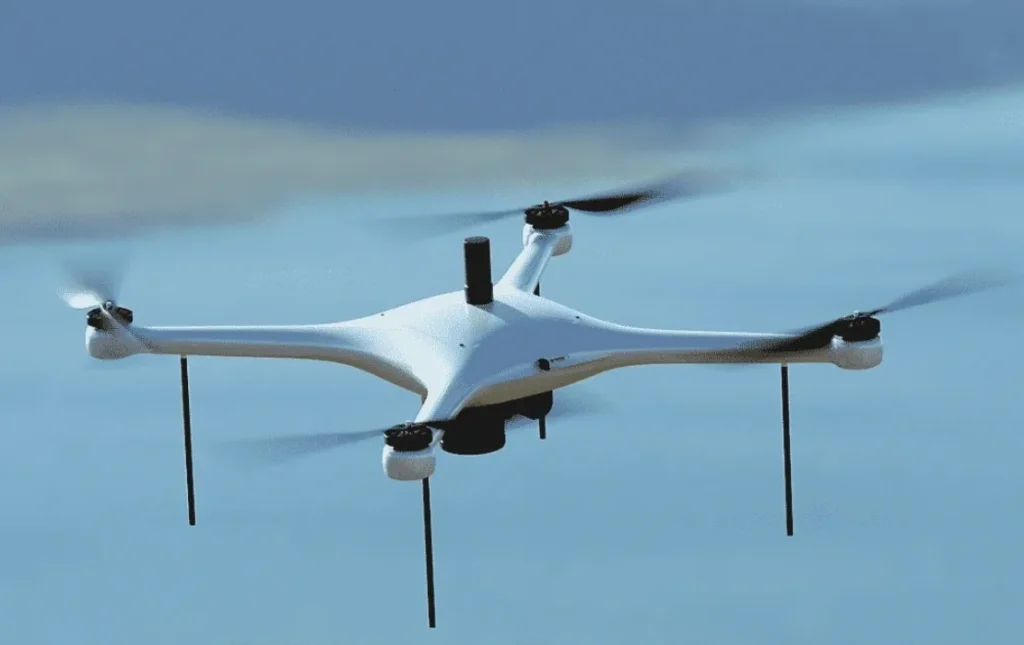
Space drones are revolutionizing how humanity explores and interacts with space. These unmanned, autonomous vehicles are designed to operate in the harsh environment of space, performing tasks that were once the domain of manned missions and traditional satellites. This article will delve into the evolution, applications, challenges, and prospects of space drones, highlighting their growing importance in the space industry.
Key Takeaways About Space Drones
- Enhanced Inspection Capabilities
Space drones are revolutionizing how inspections are conducted in both terrestrial launch facilities and extraterrestrial environments. Equipped with high-resolution cameras and advanced sensors, they can identify structural issues, monitor safety conditions, and ensure that spacecraft are prepared for launch. This capability significantly reduces the time and resources needed for inspections, making operations more efficient. - Autonomous Repairs and Maintenance
Drones are not just for inspections; they also hold the potential for autonomous repairs in space. Future missions could deploy drones to conduct routine maintenance on spacecraft, such as fixing solar panels or communication systems. This capability can extend the operational life of missions and reduce the need for costly resupply missions from Earth. - Planetary Exploration and Sample Collection
Drones are playing an essential role in planetary exploration, particularly on Mars. The Mars Helicopter, Ingenuity, has demonstrated the feasibility of aerial exploration, providing valuable data and images from areas that are difficult for rovers to access. Drones can also be used to collect samples from the surface of planets and moons, facilitating scientific research without the need for human intervention. - Resource Utilization on the Moon and Beyond
As interest in lunar exploration grows, drones are expected to assist in resource surveys and mining operations. They can identify valuable resources like water ice and conduct preliminary assessments, which are crucial for sustainable lunar missions. This capability could significantly lower the costs associated with space exploration by utilizing local resources. - Future of Interstellar Exploration
The concept of using drones for interstellar exploration is becoming more plausible. Proposed missions, such as the Breakthrough Starshot project, envision lightweight drones traveling to other star systems. These drones would be equipped with advanced technology to gather data and send it back to Earth, potentially opening new frontiers in our understanding of the universe.
The Evolution of Space Drones
Early Developments
Space drones have their roots in early satellite and unmanned aerial vehicle (UAV) technologies. Initial developments focused on creating small, autonomous systems capable of operating in space without human intervention.
Key Milestones in Space Drone Technology
Over the years, space drones have evolved from simple experimental devices to highly sophisticated machines. Key milestones include the development of solar-powered drones, the integration of AI for autonomous decision-making, and successful missions that demonstrated the practical applications of these technologies.
Differences Between Space Drones and Traditional Satellites
While traditional satellites are primarily used for communication, weather monitoring, and Earth observation, space drones offer a wider range of functionalities. Unlike satellites, drones can be deployed for on-demand tasks such as repairing other spacecraft, capturing high-resolution images, and even extracting resources from asteroids.
How Space Drones Work
Key Components and Mechanisms
Space drones are equipped with advanced sensors, cameras, and robotic arms to perform various tasks. These components are designed to withstand extreme temperatures, radiation, and other harsh conditions in space.
Communication Systems
Communication is a critical aspect of space drone operations. They use sophisticated communication systems to send and receive data from Earth, often relying on satellite networks to maintain a constant connection.
Power Sources and Propulsion
Space drones typically use solar panels as their primary power source. Some drones are also equipped with ion thrusters or chemical propulsion systems to maneuver in space, allowing them to change orbits or reach distant celestial bodies.
Applications of Space Drones
Satellite Maintenance and Repair
One of the most promising applications of space drones is in satellite maintenance and repair. Drones can be used to fix malfunctions, refuel aging satellites, or even extend their operational lifespan, reducing the need for costly replacements.
Space Exploration and Mapping
Space drones are playing a crucial role in exploring and mapping other planets and moons. They can navigate harsh terrains, gather detailed data, and provide high-resolution images that are invaluable for future manned missions.
Resource Extraction and Space Mining
As the space industry looks towards utilizing extraterrestrial resources, space drones are expected to be at the forefront of mining operations. They can be used to locate, extract, and transport resources like water, metals, and rare minerals from asteroids or the Moon.
Space Debris Removal
Space debris poses a significant risk to satellites and other space missions. Space drones can help mitigate this risk by capturing and removing debris from orbit, ensuring the safety of other spacecraft.
Scientific Research and Data Collection
Space drones are also invaluable for scientific research. They can collect data from distant planets, moons, and asteroids, providing scientists with insights into the formation of the solar system and the potential for life beyond Earth.
Key Challenges and Solutions
Technical Challenges
Operating in space presents numerous technical challenges, from extreme temperatures to the vacuum environment. Ensuring that drones can function reliably in these conditions is a significant hurdle that engineers must overcome.
Regulatory and Legal Challenges
The use of space drones raises important regulatory and legal questions, particularly regarding ownership, jurisdiction, and the potential for conflicts in space. International cooperation and the development of new regulations will be crucial in addressing these issues.
Cost Considerations
While space drones offer many advantages, the cost of developing, launching, and operating these devices remains high. However, advancements in technology and increased investment in the space industry are likely to drive down costs over time.
Expert Insights
Interviews with Space Industry Leaders
Leaders in the space industry, including those from NASA, SpaceX, and private space startups, emphasize the growing importance of space drones in future missions. They highlight the potential for drones to take on tasks that are too dangerous or costly for human astronauts.
Case Study: Successful Space Drone Missions
A case study of a successful space drone mission, such as the Mars Ingenuity helicopter, demonstrates the practical applications of this technology. This mission has paved the way for more ambitious drone operations on other planets.
The Future of Space Drones
Emerging Technologies
The future of space drones will be shaped by emerging technologies such as AI, machine learning, and advanced materials. These innovations will enhance the capabilities of drones, allowing them to undertake more complex missions.
Potential Impact on Space Exploration
As space drones become more advanced, they are likely to play a central role in future space exploration efforts. From scouting locations for manned missions to establishing outposts on distant planets, drones will be indispensable tools in humanity’s quest to explore the cosmos.
The Role of AI in Space Drones
AI will be a game-changer for space drones, enabling them to operate more autonomously, make real-time decisions, and adapt to unexpected challenges. This will significantly increase the efficiency and effectiveness of space drone missions.
Practical Applications for Industries
Telecommunications
Space drones can be used to enhance telecommunications infrastructure by deploying and maintaining satellite networks, especially in remote or underserved areas.
Earth Observation and Environmental Monitoring
Drones equipped with advanced sensors can monitor environmental changes on Earth, track climate patterns, and provide real-time data on natural disasters, helping to mitigate their impact.
Defense and Security
In the defense sector, space drones can be used for surveillance, reconnaissance, and even as platforms for deploying countermeasures against potential threats.
Conclusion
Summary of Key Points
Space drones represent the next frontier in space exploration and utilization. Their versatility and advanced capabilities make them essential tools for a wide range of applications, from satellite maintenance to space mining.
Final Thoughts and Call-to-Action
As technology continues to evolve, space drones will undoubtedly become more integral to our exploration and understanding of the universe. Stakeholders in the space industry should invest in these technologies to unlock their full potential and pave the way for future discoveries.
Advantages and Disadvantages of Space Drones
Space drones are becoming increasingly vital in the realm of space exploration, offering innovative solutions for inspection, data collection, and maintenance. However, like any technology, they come with both advantages and disadvantages. Here are the top five for each.
Advantages of Space Drones
- Enhanced Inspection Capabilities
Space drones are equipped with high-resolution cameras and advanced sensors, allowing for detailed inspections of spacecraft and extraterrestrial surfaces. This capability enables real-time monitoring and immediate identification of potential issues, enhancing mission safety and efficiency. - Autonomous Operations
Many space drones can operate autonomously, performing tasks without human intervention. This feature is crucial for missions in remote locations, such as Mars or the Moon, where communication delays make real-time control challenging. Autonomous drones can conduct surveys, collect samples, and perform maintenance tasks efficiently. - Cost-Effectiveness
Utilizing space drones can significantly reduce costs associated with traditional inspection methods. Drones require less manpower and equipment, leading to lower operational expenses. Their ability to perform multiple tasks in a single mission further enhances cost savings. - Data Collection and Analysis
Space drones excel in gathering large volumes of data quickly. They can capture high-resolution images, thermal data, and other relevant information, which can be processed and analyzed to provide valuable insights into the conditions of spacecraft and planetary surfaces. - Increased Safety for Personnel
By deploying drones for inspections and maintenance tasks, human personnel can remain at a safe distance from potentially hazardous environments. This reduces the risk of accidents and injuries, making space missions safer overall.
Disadvantages of Space Drones
- Technical Limitations
Space drones face several technical challenges, including limited battery life and payload capacity. These limitations can restrict the types of missions they can undertake and the duration of their operations, necessitating careful planning and resource management. - Vulnerability to Space Conditions
Harsh space environments, including extreme temperatures and radiation, can affect the performance and longevity of drones. Ensuring that drones can withstand these conditions requires advanced engineering and may increase development costs. - Regulatory and Compliance Issues
The use of drones in space is subject to various regulations and compliance requirements. Navigating these legal frameworks can be complex and may delay the deployment of drone technology in space missions. - Dependence on Technology
As reliance on space drones increases, there is a risk of diminishing traditional inspection skills among personnel. Over-dependence on technology may lead to challenges if drones malfunction or if there is a need for manual intervention. - Potential for Malfunctions
Like any technology, space drones can experience malfunctions or failures. Issues such as software glitches, hardware failures, or communication breakdowns can jeopardize missions and lead to costly setbacks.
Conclusion
Space drones represent a significant advancement in the field of space exploration, offering numerous advantages such as enhanced inspection capabilities, cost-effectiveness, and increased safety. However, challenges such as technical limitations and regulatory hurdles must be addressed to fully realize their potential. As technology continues to evolve, space drones are likely to play an increasingly vital role in our quest to explore the cosmos.