
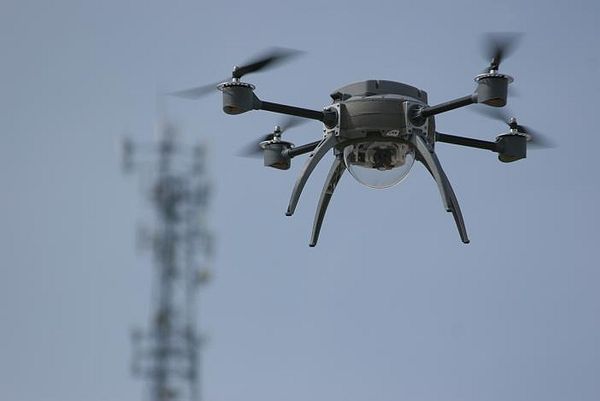
In the dynamic landscape of modern warfare, the emergence of Military Drones, also known as Unmanned Aerial Vehicles (UAVs), has become a transformative force, reshaping the strategic paradigm of armed forces worldwide. These unmanned marvels, equipped with cutting-edge technologies and sophisticated capabilities, have transcended traditional boundaries, offering unparalleled advantages in reconnaissance, surveillance, and combat operations.
As we delve into this comprehensive guide on Military Drones, we aim to unravel the intricate tapestry that defines these aerial vehicles. From understanding the fundamental structures and propulsion systems to exploring the diverse applications that range from intelligence gathering to real-time surveillance, this article navigates through the nuanced world of Military Drones.
The rapid advancements in Artificial Intelligence (AI) have propelled Military Drones to new heights, enabling them to autonomously adapt to dynamic scenarios, make strategic decisions, and execute missions with remarkable precision. However, alongside the technological marvels, this exploration delves into the operational challenges, ethical considerations, and global perspectives that accompany the use of these unmanned assets.
Join us on this journey to uncover the fascinating realms of Military Drones, where innovation converges with responsibility, shaping the course of warfare in the 21st century.
Key Takeaways
- Technological Marvels in Warfare: Military Drones, or Unmanned Aerial Vehicles (UAVs), stand as cutting-edge technological marvels revolutionizing modern warfare. From their sophisticated structures to advanced propulsion systems, these unmanned assets redefine the capabilities of armed forces worldwide.
- Versatile Applications for Strategic Advantage: Beyond traditional warfare, Military Drones demonstrate versatility in applications, playing pivotal roles in reconnaissance, surveillance, and combat operations. Their real-time data gathering and intelligence capabilities provide strategic advantages to military forces on a global scale.
- AI Integration for Precision and Autonomy: The integration of Artificial Intelligence (AI) catapults Military Drones into a realm of precision and autonomy. These unmanned vehicles can adapt to dynamic scenarios, make strategic decisions, and execute missions with remarkable accuracy, enhancing their overall effectiveness on the battlefield.
- Navigating Operational Challenges and Ethical Dilemmas: While the capabilities of Military Drones are impressive, they are not without challenges. Navigating complex environments, addressing security threats, and managing ethical considerations surrounding civilian privacy require constant attention and innovative solutions to ensure responsible deployment.
- Shaping the Future of Warfare: As we explore the global perspectives, innovations, and regulatory frameworks associated with Military Drones, it becomes evident that these unmanned assets are not just tools of war but influential factors shaping the future of warfare. The evolution of Military Drones represents a strategic convergence of technology, ethics, and global perspectives in the complex landscape of modern conflict.
Military Drones’ Technological Foundations
Unraveling UAV Structures
Military Drones boast intricate designs, blending lightweight materials with durability. Explore the structural components that contribute to their aerodynamic efficiency and mission success.
Propulsion Systems: Driving Unmanned Aerial Evolution
Delve into the diverse propulsion mechanisms powering Military Drones, from traditional engines to innovative electric propulsion, and understand their impact on speed, range, and overall operational capabilities.
Military Drones represent the epitome of technological prowess, with their structures and propulsion systems at the forefront of innovation. The intricate designs of these unmanned aerial vehicles are a testament to aerospace engineering, seamlessly combining lightweight materials to ensure agility without compromising on durability. Exploring the structural components sheds light on the aerodynamic efficiency crucial for mission success. Additionally, the propulsion systems driving Military Drones are a fascinating aspect of their evolution. From traditional combustion engines to cutting-edge electric propulsion, each system has distinct advantages influencing factors like speed, range, and overall operational effectiveness.
Tactical Brilliance: Applications of Military Drones
Reconnaissance Precision
Unlock the realm of Military Drones in reconnaissance, where real-time data gathering and intelligence play a pivotal role. Discover how these unmanned assets enhance strategic decision-making on the battlefield.
Combat Operations: Unleashing Unmanned Power
Explore the dynamic role of Military Drones in combat, from targeted strikes to collaborative missions. Understand how these technological marvels contribute to the changing face of modern warfare.
Military Drones redefine tactical brilliance through their diverse applications. In the realm of reconnaissance, these unmanned aerial vehicles excel in real-time data gathering and intelligence, providing a strategic edge to military forces. The precision achieved in reconnaissance significantly enhances decision-making capabilities on the battlefield. Moreover, in combat operations, Military Drones unleash unparalleled power. From targeted strikes to collaborative missions, these technological marvels contribute dynamically to the evolving landscape of modern warfare, shaping strategic approaches and redefining the roles of armed forces.
The AI Revolution: Integration in Military Drones
Autonomous Adaptability
Dive into the world of AI integration in Military Drones, exploring their autonomous adaptability in dynamic scenarios. Understand how artificial intelligence enhances decision-making and response capabilities.
Precision in Action: AI’s Role in Mission Execution
Examine how Artificial Intelligence contributes to the precision of Military Drones in mission execution. Discover the seamless synergy between AI algorithms and unmanned aerial vehicles in achieving mission success.
The integration of Artificial Intelligence (AI) marks a revolution in Military Drones, empowering them with unprecedented capabilities. The autonomous adaptability of these unmanned aerial vehicles in dynamic scenarios is a testament to the power of AI, enhancing their decision-making and response capabilities. Furthermore, AI plays a pivotal role in the precision of mission execution. Explore the seamless synergy between AI algorithms and Military Drones, showcasing the remarkable efficiency and accuracy achieved when cutting-edge technology collaborates with strategic intent.
Navigating Challenges: Operational Realities of Military Drones
Complex Environments: A Test for UAVs
Delve into the operational challenges Military Drones face in navigating complex environments. From urban landscapes to extreme weather conditions, understand how these unmanned assets overcome obstacles for mission success.
Cybersecurity Imperatives: Safeguarding Unmanned Skies
Explore the critical importance of cybersecurity in Military Drones. Uncover the measures in place to protect these unmanned assets from potential threats, ensuring the integrity of their operations.
While Military Drones showcase exceptional capabilities, they are not exempt from operational challenges. Navigating complex environments, from urban landscapes to extreme weather conditions, tests the agility and adaptability of these unmanned assets. Understanding how they overcome these obstacles is crucial for comprehending their true operational potential. Additionally, the cybersecurity imperatives surrounding Military Drones highlight the critical measures in place to protect these unmanned assets. Explore the advanced encryption, anti-jamming, and stealth technologies that safeguard the integrity of their operations, ensuring secure and reliable mission execution.
Ethical Dimensions: Balancing Power and Responsibility
Civilian Privacy: Striking the Right Balance
Delve into the ethical considerations surrounding Military Drones and their impact on civilian privacy. Explore the delicate balance between military operations and safeguarding the rights and privacy of civilians.
Human Control: Ensuring Ethical Deployment
Examine the significance of maintaining human control over Military Drones, ensuring responsible and ethical deployment. Understand the ongoing efforts to establish guidelines that govern their use in adherence to ethical standards.
Ethical considerations loom large in the realm of Military Drones, raising questions about their impact on civilian privacy and the need for responsible deployment. Delve into the delicate balance between military operations and safeguarding the rights and privacy of civilians, exploring the ethical dimensions that accompany the use of these unmanned assets. Additionally, ensuring human control over Military Drones is imperative for ethical deployment. Examine the ongoing efforts to establish guidelines that govern their use, ensuring adherence to ethical standards and responsible decision-making in the complex landscape of modern warfare.
Shaping the Future: Innovations and Regulatory Landscapes
Cutting-edge Technologies on the Horizon
Explore the prospects of Military Drones, uncovering the cutting-edge technologies set to shape their evolution. From stealth capabilities to enhanced AI integration, understand the innovations on the horizon.
Navigating Unmanned Skies: Legal and Regulatory Framework
Delve into the evolving legal and regulatory frameworks governing the use of Military Drones. Understand the guidelines in place to ensure responsible and safe deployment in the unmanned skies.
The future of Military Drones holds promises of cutting-edge technologies and innovative developments. Explore the horizon of possibilities, from stealth capabilities to enhanced AI integration, shaping the evolution of these unmanned aerial vehicles. Simultaneously, navigating the legal and regulatory frameworks governing Military Drones is crucial. Understand the guidelines in place to ensure responsible and safe deployment, maintaining a delicate balance between innovation and adherence to legal and ethical standards in the unmanned skies.
Advantages of Military Drones
1. Enhanced Surveillance and Reconnaissance:
Military Drones provide a significant advantage in surveillance and reconnaissance activities. Equipped with advanced cameras and sensors, these unmanned vehicles can gather real-time intelligence without exposing human personnel to potential risks.
2. Precision Strike Capabilities:
One of the standout advantages of Military Drones is their ability to execute precise and targeted strikes. With advanced targeting systems and guided munitions, these unmanned assets can neutralize threats with accuracy, minimizing collateral damage and reducing the risk to friendly forces.
3. Cost-Effective Operations:
Compared to traditional manned aircraft, Military Drones often prove to be more cost-effective. Their unmanned nature eliminates the need for onboard life support systems, reducing operational expenses while maintaining a high level of mission effectiveness.
4. Persistent Surveillance:
Military Drones can loiter over a specific area for extended periods, providing persistent surveillance that manned aircraft or ground forces cannot sustain. This capability is particularly valuable for monitoring ongoing activities, tracking targets, and maintaining a constant presence in strategic locations.
5. Risk Mitigation for Human Personnel:
By deploying Military Drones, armed forces can mitigate risks to human personnel in dangerous or hostile environments. These unmanned vehicles can operate in contested airspace or hazardous areas, carrying out missions without exposing pilots or ground troops to potential harm.
Disadvantages of Military Drones
1. Ethical and Legal Concerns:
The use of Military Drones raises ethical and legal dilemmas, especially concerning civilian casualties and potential infringements on sovereignty. The precise nature of strikes does not eliminate the challenges of distinguishing between combatants and non-combatants, leading to moral and legal complexities.
2. Limited Decision-Making Capacity:
While Artificial Intelligence enhances Military Drones‘ capabilities, their decision-making capacity remains limited compared to human judgment. Unforeseen situations may challenge the adaptability of AI, potentially leading to suboptimal responses in complex and rapidly changing environments.
3. Vulnerability to Cyber Attacks:
Military Drones, like any technology reliant on communication and data transmission, are susceptible to cyber-attacks. Hackers targeting these unmanned systems could compromise their controls, potentially turning them against their operators or causing mission failures.
4. Technological Dependence and Complexity:
The advanced technology integrated into Military Drones introduces a dependency on sophisticated systems. Maintenance, upgrades, and addressing technological issues become critical aspects, requiring continuous investment and skilled personnel to ensure optimal performance.
5. Public Perception and Opposition:
The use of Military Drones has faced opposition from the public due to concerns about privacy, civilian casualties, and the potential for unchecked power. Addressing these concerns and fostering public acceptance remains a challenge for governments employing these unmanned assets.
FAQs Unveiling Common Queries
Are Military Drones Autonomous?
Military Drones often feature autonomous capabilities, but human operators retain control, ensuring responsible use.
What Security Measures Protect Military Drones?
Military Drones incorporate advanced encryption, anti-jamming, and stealth technologies to safeguard against security threats.
How Do Military Drones Impact Civilian Privacy?
Striking a balance between military operations and civilian privacy is crucial, with regulations in place to mitigate potential infringements.
Can Military Drones Be Hacked?
While security measures are robust, the possibility of hacking exists, prompting ongoing efforts to enhance cybersecurity protocols.
Are Military Drones Cost-Effective?
Despite initial high costs, the long-term benefits and operational efficiency of Military Drones often justify the investment.
What’s the Range of Military Drones?
The range varies, with different models capable of covering distances ranging from a few kilometers to thousands of miles.
Conclusion: Shaping the Future of Warfare
In conclusion, Military Drones stand at the forefront of technological innovation, reshaping the landscape of modern warfare. As we continue to witness advancements, ethical considerations, and global perspectives, these unmanned aerial vehicles undoubtedly play a pivotal role in shaping the future of military operations.