
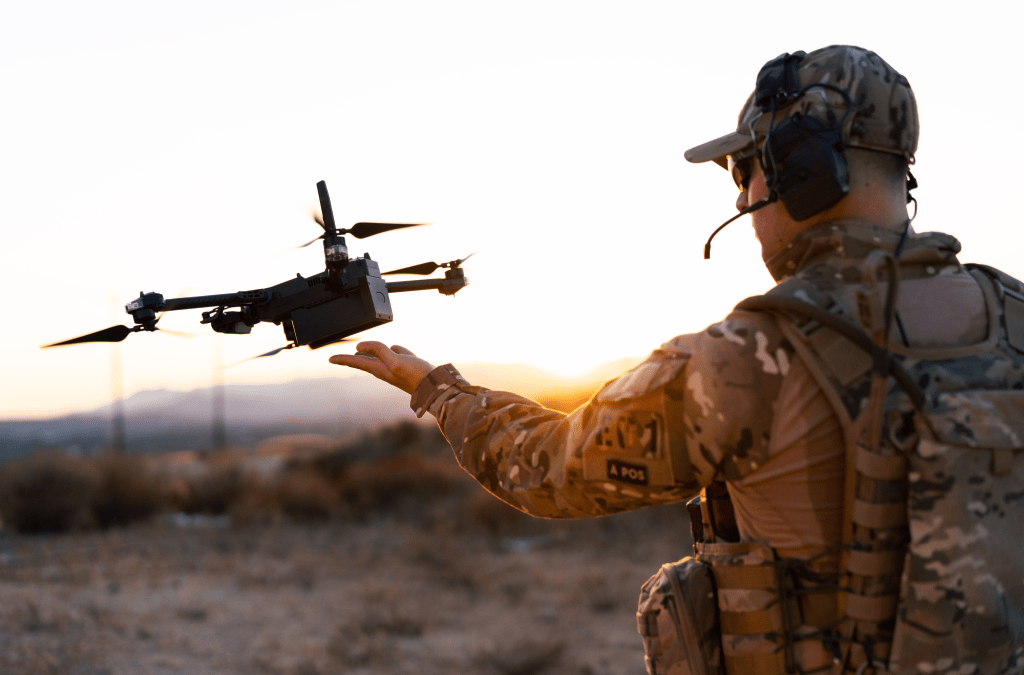
In the ever-evolving landscape of contemporary warfare, the advent of Military Drones has ushered in a new era of strategic possibilities. These unmanned aerial vehicles, aptly named “Military Drones,” are at the forefront of technological innovation, reshaping the dynamics of defense and reconnaissance. As we embark on this exploration, the intricate world of Military Drones unfolds, revealing not just machines but transformative tools that redefine the very essence of modern warfare.
Imagine a realm where precision, efficiency, and strategic advantage converge seamlessly – that’s the realm these aerial marvels inhabit. Military Drones, also known as Unmanned Aerial Vehicles (UAVs), go beyond conventional boundaries, operating without human pilots and executing missions with unparalleled precision. This comprehensive guide aims to delve into the core of these technological wonders, unraveling their applications, impact, and the nuanced interplay between advancements and ethical considerations. As we navigate through the various facets of Military Drones, from their anatomy to real-world deployments and ethical concerns, the goal is to provide an immersive understanding of how these unmanned warriors are shaping the future of warfare. Join us on this journey into the heart of Military Drones, where cutting-edge technology meets strategic prowess, and the landscape of conflict undergoes a paradigm shift.
Key Takeaways
- Strategic Precision: Military Drones, characterized by their advanced technology and unmanned operation, bring a level of strategic precision to warfare that was previously unimaginable. Their ability to execute missions with accuracy reshapes military strategies and minimizes collateral damage, emphasizing a more targeted and efficient approach.
- Versatile Applications: From surveillance and reconnaissance to combat operations, Military Drones showcase remarkable versatility in their applications. These unmanned aerial vehicles have become indispensable tools across a spectrum of military operations, providing real-time data and augmenting decision-making processes.
- Reduced Human Risk: One of the paramount advantages of Military Drones is their capacity to operate in high-risk environments without endangering human lives. By removing the need for human pilots on dangerous missions, these drones significantly reduce the risk to military personnel, offering a safer alternative in the execution of critical tasks.
- Ethical Considerations: The rise of Military Drones prompts profound ethical considerations, particularly regarding the use of lethal force and the potential for misuse. Striking a balance between precision and accountability becomes crucial in navigating the ethical landscape surrounding these technological advancements.
- Evolution of Warfare Dynamics: As Military Drones continue to evolve, their integration into military arsenals transforms the dynamics of warfare. The intersection of cutting-edge technology, real-world case studies, and international regulations marks a pivotal shift in how nations approach defense and security, shaping the future of conflict resolution.
Unmanned Precision: The Anatomy of Military Drones
In understanding the impact of Military Drones, it’s essential to dissect their intricate anatomy. These unmanned aerial vehicles boast a sophisticated design, incorporating advanced technologies that redefine the landscape of modern warfare.
Cutting-Edge Propulsion Systems
At the core of Military Drones’ prowess lies their cutting-edge propulsion systems. These systems are meticulously engineered to provide optimal performance, ensuring the drones can cover vast distances swiftly and with utmost efficiency. Whether powered by jet engines or electric motors, these propulsion systems contribute to the agility and versatility that characterize Military Drones.
Sensor Fusion and AI Integration
Another critical aspect of their anatomy is the integration of advanced sensors and artificial intelligence (AI). Military Drones rely on sensor fusion, combining data from various sources such as cameras, radar, and infrared sensors. This information is then processed by AI algorithms, enabling these unmanned vehicles to make split-second decisions, identify targets, and navigate complex environments with unmatched precision.
Eyes in the Sky: Applications in Surveillance and Reconnaissance
Military Drones have emerged as indispensable assets in surveillance and reconnaissance, revolutionizing how nations gather intelligence and monitor their surroundings.
Real-Time Data Acquisition
One of the primary applications is real-time data acquisition. Military Drones equipped with state-of-the-art cameras and sensors can capture high-resolution imagery, providing military strategists with a comprehensive understanding of ground conditions. This real-time data proves invaluable in decision-making processes, offering timely insights into potential threats or changes in the operational environment.
Stealth and Discretion
The ability of Military Drones to operate discreetly adds an element of stealth to surveillance and reconnaissance missions. Unlike traditional manned aircraft, these unmanned vehicles can navigate through airspace without drawing undue attention, making them ideal for covert operations. This stealth capability enhances their effectiveness in gathering critical information without alerting adversaries.
Precision Strike: Combat Drones Changing the Battlefield Dynamics
Advanced Arsenal: The Lethal Payload of Combat Drones
In the realm of combat operations, the evolution of Military Drones brings forth a paradigm shift, where precision strikes redefine the very nature of battlefield dynamics.
Guided Munitions and Target Accuracy
Combat Drones are equipped with a formidable arsenal of guided munitions, ranging from precision-guided missiles to smart bombs. This lethal payload is guided with pinpoint accuracy, allowing military forces to engage specific targets with minimal collateral damage. The combination of advanced targeting systems and guided munitions ensures that each strike is tailored to achieve maximum impact while minimizing unintended consequences.
Tactical Maneuverability
The tactical maneuverability of Combat Drones adds a layer of strategic advantage on the battlefield. These unmanned vehicles can execute intricate maneuvers that may be challenging or impossible for traditional aircraft. This capability not only enhances their survivability in contested airspace but also allows for dynamic and adaptive engagement strategies, outmaneuvering adversaries with finesse.
Success Stories: Case Studies Illustrating Military Drone Effectiveness
Precision in Action: Case Studies of Successful Military Drone Deployments
Delving into real-world scenarios, it becomes evident that Military Drones have not only demonstrated their capabilities but have rewritten the script of the effectiveness of contemporary military operations.
Counterterrorism Operations
In counterterrorism efforts, Military Drones have played a pivotal role in locating and neutralizing high-value targets. Their ability to linger over specific areas for extended periods, coupled with advanced surveillance capabilities, ensures that counterterrorism forces can track and eliminate threats with unprecedented precision. Case studies reveal instances where Military Drones have thwarted terrorist activities, safeguarding civilian lives and maintaining national security.
Search and Rescue Operations
Beyond combat, Military Drones have showcased their utility in search and rescue missions. Equipped with thermal imaging and other sensors, these drones can quickly scan vast terrains, identify survivors in disaster-stricken areas, and relay critical information to rescue teams. The speed and efficiency of these operations highlight the versatility of Military Drones in humanitarian efforts, underscoring their potential in crisis response scenarios.
Ethical Dilemmas: Balancing Precision and Accountability
The Thin Line: Ethical Considerations in Deploying Military Drones
While the technological advancements in Military Drones bring about unprecedented benefits, they also raise ethical concerns that demand careful consideration and global cooperation.
Minimizing Collateral Damage
A central ethical dilemma revolves around the potential for collateral damage during military operations. While the precision of Military Drones reduces the risk, ensuring that strikes are proportional and minimize harm to civilians remains a critical challenge. Striking the delicate balance between achieving military objectives and protecting innocent lives requires continual refinement of operational protocols and international cooperation.
Accountability in Autonomous Operations
As technology advances, the deployment of autonomous Military Drones introduces questions of accountability. Ensuring responsible use becomes imperative when considering scenarios where drones operate independently. Establishing frameworks for accountability, oversight, and adherence to international laws is paramount to prevent unintended consequences and potential misuse.
Advantages of Military Drones
- Precision Strikes: Military Drones offer unparalleled precision in targeting, reducing the risk of collateral damage and civilian casualties. This precision enhances the effectiveness of military operations while minimizing unintended consequences.
- Reduced Human Risk: Operating unmanned, Military Drones significantly decreases the risk to human pilots during dangerous missions. This not only protects military personnel but also allows for the execution of missions in high-risk environments without jeopardizing lives.
- Persistent Surveillance: Drones can loiter over specific areas for extended periods, providing persistent surveillance capabilities. This constant monitoring is invaluable for gathering real-time intelligence, tracking movements, and responding swiftly to emerging threats.
- Versatility in Applications: Military Drones exhibit versatility in applications, ranging from surveillance and reconnaissance to combat operations. Their adaptability makes them indispensable tools for various military strategies and scenarios.
- Cost-Efficiency: Compared to manned aircraft, Military Drones often present a more cost-effective option for certain missions. Their lower operational costs, reduced maintenance requirements, and longer mission durations contribute to overall budgetary efficiency.
Disadvantages of Military Drones
- Ethical Concerns: The use of lethal force by Military Drones raises ethical questions, particularly regarding accountability, proportionality, and adherence to international laws. Striking the right balance between military objectives and ethical considerations remains a significant challenge.
- Potential for Misuse: The technology behind Military Drones, if in the wrong hands, poses a risk of misuse. Unauthorized access, hacking, or the deployment of drones for malicious purposes raises security concerns and highlights the need for robust cybersecurity measures.
- Autonomy and Decision-Making: As drones become more autonomous, concerns arise about the ability to make ethical decisions in complex situations. Ensuring accountability and preventing unintended consequences in autonomous operations demand careful consideration and international cooperation.
- Public Perception and Privacy: Widespread use of Military Drones can raise public concerns about privacy and surveillance. Striking a balance between national security interests and individual privacy rights is crucial to maintaining public trust in the deployment of these technologies.
- Vulnerability to Cyber Threats: Despite cybersecurity measures, Military Drones are not immune to hacking and cyber threats. The potential for adversaries to compromise drone systems poses a risk to mission effectiveness and overall security.
- Dependency on Technology: Overreliance on technology can be a vulnerability. Malfunctions, technical glitches, or disruptions in communication systems may compromise the effectiveness of Military Drones, emphasizing the need for contingency plans and redundancy measures.
Frequently Asked Questions (FAQs)
How do Military Drones operate? Military Drones operate through a combination of advanced sensors, GPS technology, and communication systems. They can be controlled remotely or operate autonomously, executing missions with precision.
What are the primary applications of Military Drones? Military Drones find applications in surveillance, reconnaissance, target acquisition, and combat operations. Their versatility makes them indispensable in modern military strategies.
Are Military Drones fully autonomous? While some drones operate autonomously, many require human control for decision-making. The level of autonomy varies based on the drone’s design and intended purpose.
What measures are in place to prevent misuse of Military Drones? International regulations and ethical guidelines govern the use of Military Drones to prevent misuse. Countries adhere to these frameworks to ensure responsible and lawful deployment.
Can Military Drones be hacked? Despite robust cybersecurity measures, the risk of drone hacking exists. Ongoing advancements in security protocols aim to minimize vulnerabilities and enhance the resilience of Military Drones against cyber threats.
How do Military Drones contribute to reducing casualties in warfare? Military Drones, by removing the need for human pilots in certain missions, contribute to reducing casualties. Their precision targeting and surveillance capabilities enhance military operations while minimizing risks to personnel.
Conclusion
The evolution of Military Drones marks a significant leap in military capabilities, enhancing precision, reducing risks, and reshaping the nature of warfare. As these technological marvels continue to advance, ethical considerations and international regulations must evolve in tandem.