
Overview of Drones in Modern Technology
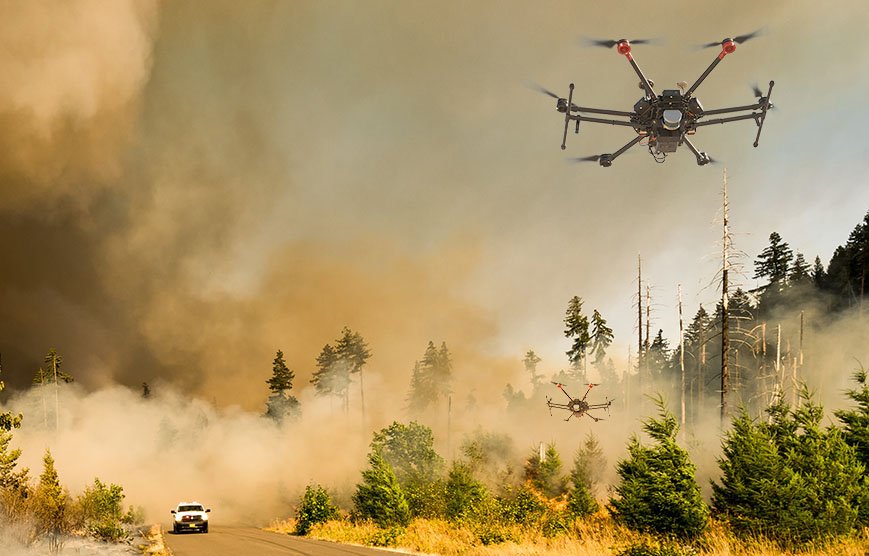
Drones, or Unmanned Aerial Vehicles (UAVs), have become integral to various industries, from agriculture to filmmaking. Their ability to reach places humans cannot and provide real-time data has opened up new possibilities, including in traffic management and road safety.
Importance of Traffic Management and Road Safety
Effective traffic management is critical to ensure the smooth flow of vehicles and the safety of road users. As urban populations grow, the challenges in managing traffic increase, necessitating innovative solutions.
Relevance of Drones in Traffic Management
Drones offer a novel approach to traffic management. Their ability to monitor large areas from above, provide real-time data, and respond quickly to incidents makes them an increasingly popular tool for enhancing road safety and managing traffic flow.
Key Takeaways
- Enhanced Traffic Monitoring: Drones provide a comprehensive aerial perspective for monitoring traffic flows, identifying congestion points, and assessing road conditions. Tethered drones can operate for extended periods, collecting precise data essential for traffic management plans and road safety audits.
- Real-Time Incident Response: In the event of accidents, drones can quickly deliver aerial imagery, enabling first responders to assess situations rapidly. This capability aids in coordinating interventions effectively, potentially saving lives and minimizing traffic disruptions.
- Data-Driven Traffic Management: By integrating drones with advanced traffic data analysis software, authorities can gather and analyze critical information about vehicle speeds, types, and traffic patterns. This data is vital for designing effective traffic management strategies and addressing urban mobility challenges.
- Safety and Collision Prevention: The development of Drone Traffic Management Systems is crucial for ensuring safe airspace sharing among multiple drones. These systems aggregate flight information and provide real-time alerts to prevent collisions, enhancing overall safety for both air and ground traffic.
- Support for Urban Planning: Drones play a significant role in urban planning by providing detailed insights into traffic dynamics. This information helps policymakers make informed decisions to create more efficient and sustainable transportation systems, addressing issues related to safety, mobility, and environmental impact
Evolution of Traffic Management Solutions
Traditional Traffic Management Methods
Historically, traffic management relied on manual methods, such as traffic lights, signs, and police officers directing vehicles. These methods, while effective, have limitations, particularly in handling large-scale or complex traffic situations.
Introduction of Technology in Traffic Management
With the advent of technology, traffic management evolved to include cameras, sensors, and automated systems. These innovations have improved traffic monitoring and control, but they still face challenges, especially in dynamic environments.
Emergence of Drones as a Solution
The introduction of drones has revolutionized traffic management. Unlike fixed cameras or sensors, drones offer mobility, flexibility, and the ability to capture detailed data from various angles, making them ideal for managing traffic in real time and responding to emergencies.
How Drones Work in Traffic Management
Drone Technology and Features
Drones used in traffic management are equipped with advanced cameras, sensors, and GPS systems. These features allow them to capture high-resolution images, track vehicle movements, and provide accurate data for traffic analysis.
Types of Drones Used in Traffic Management
Different types of drones are used in traffic management, including multi-rotor drones for short-distance monitoring and fixed-wing drones for covering larger areas. Each type offers unique advantages depending on the specific traffic management needs.
Data Collection and Analysis by Drones
Drones collect vast amounts of data, including traffic density, vehicle speeds, and accident locations. This data is then analyzed to identify patterns, predict traffic flow, and develop strategies for improving road safety.
Benefits of Using Drones in Traffic Management
Enhanced Surveillance and Monitoring
Drones provide an aerial view of traffic conditions, allowing for continuous monitoring and quick identification of issues such as accidents or traffic jams. This enhances the ability to manage traffic effectively.
Real-Time Traffic Analysis
With real-time data from drones, traffic management centers can make informed decisions quickly, such as rerouting traffic or dispatching emergency services to accident sites, thereby reducing congestion and improving response times.
Rapid Response to Accidents and Congestion
Drones can reach accident sites faster than ground vehicles, providing crucial information to emergency responders and helping to manage traffic flow around the site, reducing secondary accidents and delays.
Cost-Effectiveness Compared to Traditional Methods
While the initial investment in drone technology may be high, the long-term savings are significant. Drones reduce the need for extensive infrastructure, such as traffic cameras and sensors, and can be deployed quickly in response to changing conditions.
Case Studies and Real-world Applications
Case Study 1: Drones in Urban Traffic Management
In cities like Los Angeles, drones have been used to monitor traffic during peak hours, providing data that helps in adjusting traffic signals and managing roadblocks, leading to smoother traffic flow.
Case Study 2: Drones in Highway Safety Monitoring
On highways, drones have been employed to monitor long stretches of road, quickly identifying accidents or hazards that could cause traffic delays or pose safety risks.
Case Study 3: Drones in Large-Scale Events
During events like marathons or parades, drones have been used to manage the flow of vehicles and pedestrians, ensuring safety and minimizing disruptions.
Challenges and Limitations of Drone Usage
Regulatory and Legal Challenges
The use of drones in traffic management faces regulatory hurdles, including restrictions on where and when drones can be flown. Compliance with these regulations is essential to avoid legal issues.
Technical Limitations and Issues
Drones have technical limitations, such as limited battery life and susceptibility to weather conditions. These factors can impact their effectiveness in traffic management.
Public Perception and Privacy Concerns
The use of drones raises privacy concerns, as they can capture images and data from private properties. Public perception of drones needs to be managed carefully to avoid backlash.
Future Trends in Drone Technology for Traffic Management
Advancements in Drone Technology
The future of drone technology in traffic management looks promising, with advancements in battery life, data processing, and automation, making drones more efficient and effective.
Integration with Smart City Infrastructure
As cities move towards becoming smart cities, the integration of drones with other technologies, such as IoT devices and AI, will enhance traffic management and road safety.
Potential for AI and Machine Learning in Traffic Management
AI and machine learning can be used to analyze the vast amounts of data collected by drones, providing insights that can lead to more effective traffic management strategies.
Practical Applications for Road Safety
Drones in Emergency Response
Drones can play a critical role in emergency response by providing real-time data and images from accident sites, helping responders assess the situation and deploy resources more effectively.
Monitoring and Enforcing Traffic Rules
Drones can be used to monitor traffic for violations such as speeding or illegal parking, helping to enforce traffic rules and improve road safety.
Support for Autonomous Vehicles
As autonomous vehicles become more common, drones can be used to monitor their movements and provide additional data to ensure their safe operation on the roads.
Advantages of Drones in Traffic Management and Road Safety
- Real-Time Traffic Monitoring: Drones equipped with high-resolution cameras and sensors can provide real-time aerial views of traffic conditions. This capability allows traffic management authorities to quickly identify congestion and accidents, leading to faster response times and more effective traffic flow management. By continuously monitoring traffic patterns, drones can help optimize signal timings and reroute vehicles as necessary, reducing delays and improving overall road efficiency.
- Improved Accident Response: In the event of a traffic incident, drones can rapidly survey accident scenes, providing crucial information to emergency responders. This aerial perspective allows for a swift assessment of the situation, enabling better planning for rescue operations and traffic rerouting. The ability to capture detailed images and data from above can also assist in accident investigations, helping to reconstruct events and identify contributing factors.
- Enhanced Road Surveillance: Drones offer broad and detailed surveillance capabilities that can effectively monitor roadways for violations and hazardous conditions. Their ability to cover large areas quickly allows for the identification of issues such as illegal parking, speeding, and other traffic violations. This proactive approach to road surveillance can lead to improved compliance with traffic laws and enhanced overall safety.
- Efficient Traffic Flow Management: By analyzing traffic patterns from an aerial viewpoint, drones can assist in optimizing traffic flow. They can gather data on vehicle speeds, types, and densities, which can be used to inform traffic signal adjustments and other management strategies. This data-driven approach helps reduce bottlenecks and enhances the overall efficiency of urban transportation systems.
- Cost-Effective Data Collection: Compared to traditional traffic monitoring methods, drones can collect extensive data at a lower cost. They require fewer personnel and resources, making them a more efficient option for gathering valuable insights into traffic dynamics. This cost-effectiveness is particularly beneficial for municipalities and organizations looking to improve their traffic management strategies without incurring significant expenses.
Disadvantages of Drones in Traffic Management and Road Safety
- Privacy Concerns: The use of drones for surveillance raises significant privacy issues among the public. The potential for constant monitoring can lead to resistance from community members, prompting regulatory challenges. Balancing the benefits of drone surveillance with the need to respect individual privacy rights is a critical concern that authorities must address.
- Limited Battery Life: Drones are constrained by their battery life, which can limit their operational effectiveness. Extended monitoring tasks or large-scale traffic management operations may require drones to land for recharging, interrupting data collection. This limitation necessitates careful planning and may require the use of tethered drones or additional units to maintain continuous surveillance.
- Weather Dependency: Adverse weather conditions, such as heavy rain, fog, or strong winds, can impair drone functionality and reliability. These environmental factors can restrict the ability of drones to operate effectively, leading to gaps in data collection and monitoring. Ensuring reliable performance in varying weather conditions remains a challenge for drone technology in traffic management.
- Data Security Risks: The data collected by drones can be vulnerable to hacking or unauthorized access, posing risks to sensitive information and public security. Ensuring robust cybersecurity measures is essential to protect the integrity of the data and maintain public trust in drone operations. Authorities must implement stringent protocols to safeguard against potential data breaches.
- High Initial Costs: While drones can be cost-effective in the long run, the initial investment in drone technology, training, and infrastructure can be significant. This upfront cost may be a barrier for some municipalities or organizations, particularly those with limited budgets. Overcoming this financial hurdle is essential for the broader adoption of drone technology in traffic management and road safety initiatives.
Frequently Asked Questions (FAQs) about Drones in Traffic Management and Road Safety
1. What are the primary benefits of using drones for traffic management?
Drones provide real-time traffic monitoring, improve accident response times, enhance road surveillance, facilitate efficient traffic flow management, and offer cost-effective data collection. Their aerial perspective allows authorities to make informed decisions quickly, ultimately improving road safety and efficiency.
2. How do drones improve accident response?
Drones can quickly survey accident scenes, providing emergency responders with critical aerial imagery and data. This helps them assess the situation more effectively, plan rescue operations, and manage traffic around the incident, potentially reducing response times and improving safety for all involved.
3. Are there privacy concerns associated with drone surveillance?
Yes, the use of drones for traffic monitoring raises privacy issues among the public. Continuous surveillance can lead to concerns about personal privacy and data security. Authorities must address these issues through transparent policies and regulations to maintain public trust.
4. What limitations do drones face in traffic management?
Drones are limited by battery life, which can restrict their operational effectiveness during long monitoring tasks. They are also dependent on weather conditions, as adverse weather can impair functionality. Additionally, data security risks and high initial costs can pose challenges.
5. How is data collected by drones secured?
Data collected by drones can be vulnerable to hacking and unauthorized access. To mitigate these risks, authorities must implement robust cybersecurity measures, including encryption, secure data storage, and strict access controls to protect sensitive information.
Conclusion
In conclusion, the integration of drones into traffic management and road safety represents a significant leap forward in how we handle the complexities of modern transportation. These unmanned aerial vehicles bring unparalleled capabilities in monitoring traffic, analyzing real-time data, and responding swiftly to accidents and congestion. While challenges such as regulatory issues and public privacy concerns remain, the potential benefits far outweigh the obstacles. As drone technology continues to advance and becomes more intertwined with smart city infrastructures, we can expect safer roads, more efficient traffic flow, and a transformative impact on how we manage and experience urban mobility. Stakeholders must continue to collaborate to address these challenges, ensuring that the full potential of drones in traffic management is realized.