
Article-at-a-Glance
- Real-time crop data collection revolutionizes planting and harvesting strategies.
- Targeted pesticide application reduces environmental impact and saves costs.
- Drones offer efficient water management by identifying the need for irrigation.
- Sustainability is enhanced with improved crop yields and soil health monitoring.
- Advanced surveying techniques provide detailed insights into land utilization.
Revolutionizing Farming: How Drones Elevate Agriculture
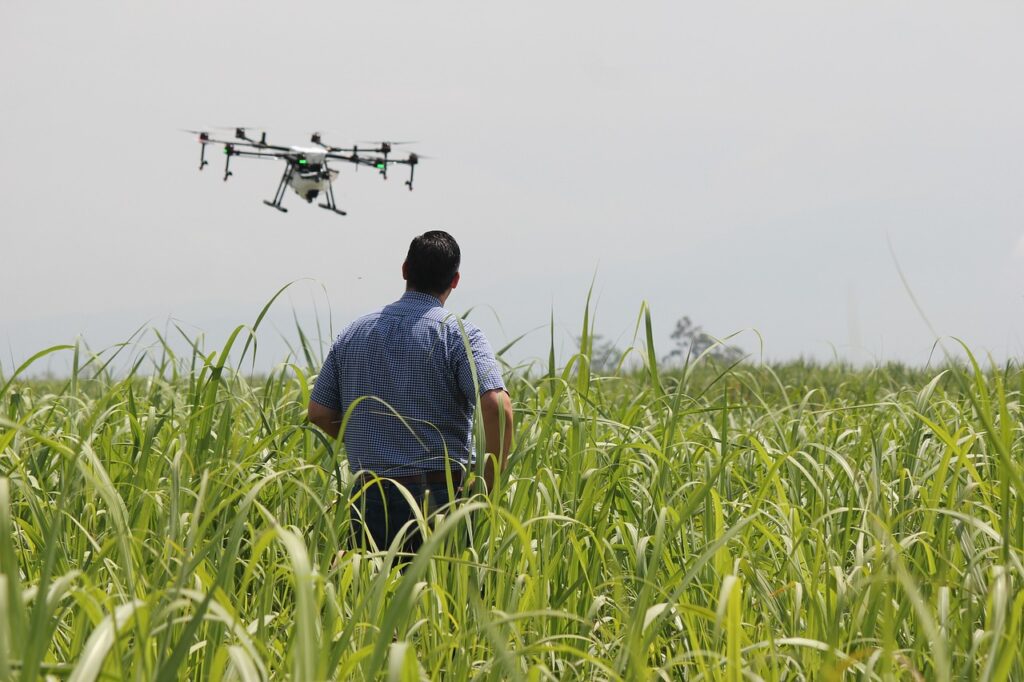
Drones, once a technology reserved for military and recreational use, have now found a vital place in agriculture. These flying marvels are not just toys; they are powerful tools that are transforming the way farmers manage their crops and land. Let’s dive into the innovative uses of agricultural drones and how they can help you farm smarter, not harder.
Real-Time Crop Data
Imagine having a bird’s-eye view of your entire farm, with the ability to zoom in on a single plant. That’s what drones offer. Equipped with advanced sensors, drones can gather detailed information about your crops in real-time, including:
- Growth patterns
- Plant health
- Soil conditions
This data is invaluable. It helps you make informed decisions quickly, such as identifying areas that need more attention or adjusting your planting strategy for the next season. Most importantly, it saves time and resources, as you can pinpoint issues without having to inspect fields manually.
Targeted Pesticide Application
Applying pesticides can be a delicate balancing act. Use too much, and you risk harming the environment and your crops. Use too little, and pests could decimate your yield. Drones change the game by offering targeted pesticide applications. This means:
- Less chemical runoff into nearby water sources
- Reduced exposure for farmworkers
- Lower costs and waste
Therefore, by utilizing drones, you’re not only protecting your crops but also the planet and your pocketbook.
Efficient Water Management
Water is a precious resource, and its efficient use is critical for sustainable farming. Drones equipped with thermal cameras can detect which parts of your field are dry and need watering. This targeted approach to irrigation ensures that:
- Every drop of water is used effectively
- You reduce water waste and conserve resources
- Your crops get exactly what they need for optimal growth
Besides that, it also reduces the strain on local water supplies, which is crucial in areas prone to drought.
Sustainability and Yield Improvement
Using drones doesn’t just make farming easier; it makes it more sustainable. With precise data and the ability to respond quickly to issues, you can:
- Improve soil health with targeted interventions
- Increase crop yields by addressing problems early
- Reduce your carbon footprint by optimizing farm operations
These benefits help ensure that your farming practices can be maintained for generations to come.
Launching Farm Productivity Sky-High with Drone Monitoring
Drones don’t just observe; they help you act. Monitoring your crops from above provides a wealth of information that can be used to enhance productivity. Let’s explore how this works in practice.
NDVI Technology: Understanding Plant Health from Above
NDVI, or Normalized Difference Vegetation Index, is a way to measure plant health using drones. By capturing data in both the visible and near-infrared spectrum, drones can:
- Identify stressed plants before they show visible symptoms
- Monitor crop maturity and optimize harvest times
- Assess the effectiveness of fertilizers and irrigation
Armed with NDVI data, you can make adjustments that lead to healthier plants and better yields.
Detecting Pest and Disease Outbreaks Early
One of the biggest threats to your crops is the sudden outbreak of pests or diseases. Drones can spot these issues early by using high-resolution cameras to scan for irregularities in plant color and shape. This early detection allows you to:
- Quarantine affected areas promptly
- Apply treatments more effectively
- Prevent the spread of pests or diseases across your farm
By catching problems early, you can save entire crops from devastation.
Getting to the Root of Precision Farming with Drone Analytics
Recent advancements in drone technology for agriculture have significantly enhanced farming practices, making them more efficient, precise, and sustainable. Here are some of the latest innovations and uses of drones in agriculture:
1. Advanced Imaging and Sensing Technologies
Drones are now equipped with high-resolution cameras and advanced sensors, including multispectral and hyperspectral imaging. These technologies allow for detailed analysis of crop health, soil conditions, and moisture levels. Farmers can identify nutrient deficiencies, pest infestations, and disease outbreaks early, enabling timely interventions that protect yields and optimize resource use.
2. Precision Spraying Systems
Modern agricultural drones have integrated precision spraying capabilities that allow for targeted application of fertilizers and pesticides. This reduces chemical waste and minimizes environmental impact by ensuring that treatments are applied only where needed. The precision of these systems enhances crop health while lowering operational costs.
3. Data Integration and Analysis
Drones are increasingly being used in conjunction with data analytics platforms. The data collected from drone flights can be integrated with farm management software to provide comprehensive insights into crop performance and resource usage. This data-driven approach enables farmers to make informed decisions, improving overall farm management and productivity.
4. Automated Flight Operations
The latest drone technologies include automated flight planning and operation features, allowing for efficient and consistent monitoring of large agricultural areas. Farmers can set predefined flight paths for drones, which can autonomously carry out tasks such as crop monitoring and spraying, thereby saving time and labor costs.
5. Improved Battery Life and Payload Capacity
Recent advancements have led to drones with enhanced battery life and increased payload capacities. This allows drones to cover larger areas on a single charge and carry heavier equipment, such as advanced sensors and sprayers. These improvements make drones more effective tools for extensive agricultural operations.
6. Fleet Management Solutions
The development of fleet management technologies enables farmers to operate multiple drones simultaneously. This capability allows for comprehensive coverage of large fields and more efficient data collection and application processes. Fleet management systems can optimize flight schedules and monitor drone performance in real-time.
7. Enhanced Regulatory Compliance
As drone technology evolves, so do the regulations surrounding their use in agriculture. Recent advancements have included features that help ensure compliance with local regulations, such as geofencing capabilities that prevent drones from flying into restricted areas. This enhances safety and promotes responsible use of drone technology in farming
Soil Health Assessment by Skyborne Sensors
Healthy soil is the foundation of successful farming. Drones equipped with special sensors can analyze soil health, providing insights on:
- Moisture levels
- Nutrient content
- Organic matter status
This information is critical for making decisions on when and where to plant, fertilize, and water. By understanding the needs of your soil, you can boost its productivity and sustainability.
Harvest Planning with Accurate Yield Predictions
Knowing the potential yield of your crops before harvest can be a game-changer. Drones help predict yields by analyzing crop vigor and estimating the volume of produce. This foresight allows you to:
- Plan for storage and distribution
- Manage market expectations
- Adjust future planting schedules
Accurate yield predictions can lead to better market positioning and increased profits.
Spot-On Spraying: Aerial Pesticide and Herbicide Delivery
Reducing Runoff and Environmental Impact
Drones can precisely apply pesticides and herbicides, significantly reducing the amount of chemicals that enter the ecosystem. This precision spraying leads to:
- Less chemical runoff into waterways
- Reduced soil contamination
- Lowered risk of harming non-target species
By reducing your environmental impact, you’re contributing to a healthier ecosystem and a more sustainable future.
Maximizing Coverage: GPS and Automated Flight Paths
With GPS technology, drones can follow automated flight paths to ensure every inch of your field is covered. This maximizes spray coverage and leads to:
- Uniform application of products
- Minimized overlaps and missed spots
- Efficient use of time and resources
These advantages result in more effective treatments and cost savings.
Quenching Crops’ Thirst Wisely: Drone-Managed Irrigation
Identifying Dry Zones: Thirsty Fields No More
Drones can identify dry zones in your fields that are not readily visible from the ground. By pinpointing these areas, you can:
- Direct water to where it’s needed most
- Prevent overwatering and water waste
- Ensure even crop growth across your fields
Targeted irrigation not only conserves water but also promotes healthier crops.
Water Conservation with Precision Application
Drone technology supports water conservation by facilitating precision irrigation. Drones can measure the exact water needs of your crops, allowing you to:
- Adjust irrigation schedules based on real-time data
- Use water resources more responsibly
- Reduce the overall water footprint of your farm
Conserving water is not just good for the environment; it’s also good for your bottom line.
Seeding the Future: Drones in Sowing and Planting
Innovative Seed-Planting Drone Technology
Drones are revolutionizing the planting process with seed-planting systems that can distribute seeds precisely and at a fraction of the time and cost. This technology:
- Ensures optimal seed spacing and depth
- Reduces the need for manual labor
- Can reach inaccessible or difficult terrains
Drone planting is an efficient way to optimize your farm’s productivity from the very start.
Reforestation from the Skies: Drones as Nature’s Ally
Apart from crops, drones are also being used in reforestation efforts. By dropping seed pods in designated areas, drones help:
- Repopulate forests faster than manual planting
- Reach areas affected by deforestation or natural disasters
- Support biodiversity and combat climate change
Drones serve as allies to nature, helping to restore balance in the environment.
Mapping Agricultural Success: Advanced Surveying with Drones
Creating Detailed Farm Maps for Better Crop Management
High-resolution drone imagery can be used to create detailed maps of your farm. These maps:
- Reveal topography and field boundaries
- Show variations in crop health
- Help in planning field logistics and infrastructure
Detailed farm maps are indispensable tools for strategic farm management and long-term planning.
Terrain Analysis to Inform Land Utilization Strategies
Drones can perform terrain analysis, which is essential for understanding how to best use your land. This analysis helps you:
- Determine the most suitable crops for different areas
- Plan for drainage and irrigation systems
- Optimize land use to increase productivity
With terrain analysis, you can tailor your farming practices to the unique contours of your land.
Boosting Agricultural Resilience through Drone Data
What are the first steps to integrate drones into my farming operations?
To start using drones on your farm, you’ll need to:
- Identify your specific needs and goals
- Research the types of drones and sensors that suit your objectives
- Understand the regulations regarding drone flights in your area
- Consider training or hiring a certified drone pilot
- Start with a small-scale pilot project to gauge the effectiveness
Beginning with clear intentions and thorough research will set you up for success.
Are there any privacy or airspace regulations for agricultural drone use?
Yes, some regulations govern drone use, which vary by country and region. Common considerations include:
- Ensuring your drone flights don’t invade the privacy of others
- Adhering to altitude restrictions and no-fly zones
- Obtaining necessary permissions and certifications
Staying informed and compliant with these regulations is crucial for legal and ethical drone operations.
How do drones differ from satellite imagery in agriculture?
Drones offer several advantages over satellite imagery, such as:
- Higher resolution images for more detailed analysis
- On-demand imaging regardless of satellite schedules
- The ability to fly under cloud cover, ensuring consistent data collection
Drones provide more flexible and precise data, making them a valuable complement to satellite imagery.
What is the cost-benefit analysis of investing in agricultural drones?
When considering drones, weigh the initial investment against the long-term benefits:
- Costs include purchasing the drone, sensors, software, and training
- Benefits include improved crop yields, reduced labor and resource costs, and better risk management
Most farmers find that drones pay for themselves by increasing efficiency and productivity.
Can drones support organic farming practices?
Absolutely. Drones align well with organic farming by:
- Providing precise data to minimize inputs
- Targeting interventions to reduce the need for chemicals
- Monitoring crop health to support natural growth processes
Drones can be a cornerstone technology for organic farmers looking to optimize their operations.
In conclusion, the integration of drones into agricultural practices is not just a fleeting trend; it’s a fundamental shift towards more efficient, sustainable, and productive farming. The sky’s the limit when it comes to the potential of drones in agriculture. Whether you’re looking to improve crop yields, conserve resources, or manage your land more effectively, drones offer a suite of tools that can help you reach new heights in farming excellence.