
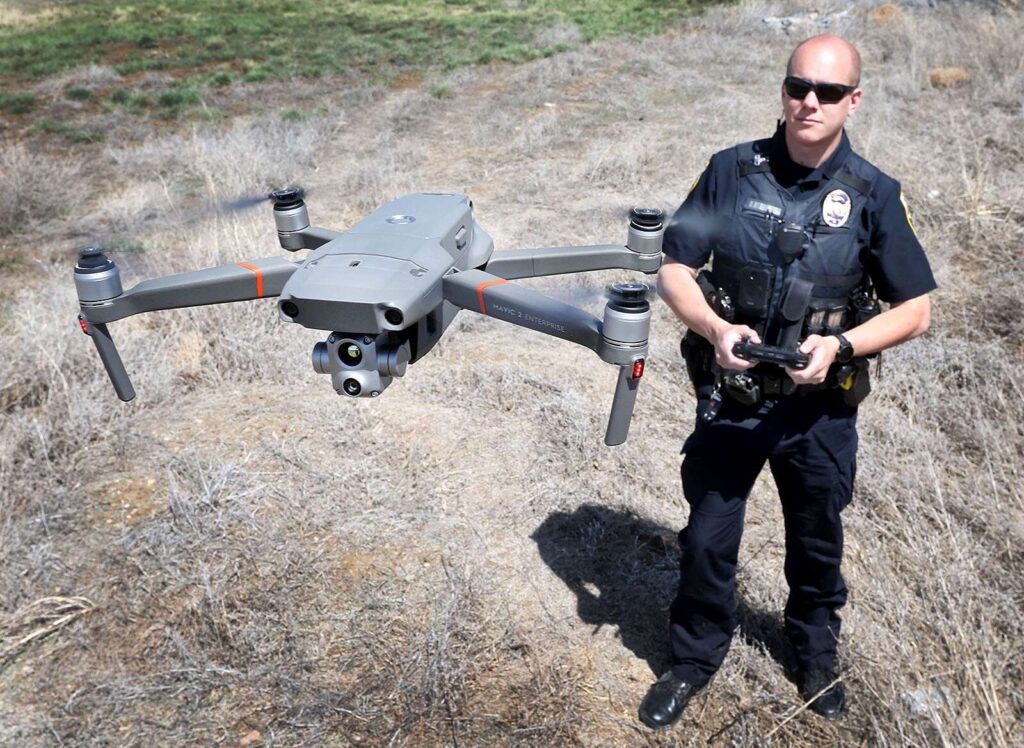
In the dynamic realm of contemporary law enforcement, the integration of Police Drones has ushered in a new era of technological prowess and strategic innovation. This introduction unravels the intricate tapestry of Police Drones, casting a spotlight on their transformative role in safeguarding communities and upholding public safety. As society grapples with evolving security challenges, these unmanned aerial vehicles have become indispensable assets for law enforcement agencies worldwide. This article embarks on a comprehensive exploration of Police Drones, examining their applications, advantages, and the pivotal role they play in shaping modern policing methodologies.
With a focus on transparency, efficiency, and community engagement, Police Drones have emerged as versatile tools capable of navigating diverse scenarios, from surveillance and crime prevention to search and rescue operations. As we delve into the nuances of their functionalities, it becomes evident that Police Drones are not merely technological gadgets; they represent a paradigm shift in how law enforcement adapts to the complexities of the 21st century. Join us on this insightful journey to unravel the myriad facets of Police Drones, where innovation meets public safety, and proactive strategies redefine the landscape of policing for a safer tomorrow.
Key Takeaways
- Technological Evolution in Law Enforcement: Police Drones signify a significant leap in the technological evolution of law enforcement, introducing a dynamic toolset that enhances surveillance, response capabilities, and overall operational efficiency.
- Enhanced Public Safety: The integration of Police Drones translates to heightened public safety measures. From crime prevention to rapid response in emergencies, these unmanned aerial vehicles contribute to creating a more secure environment for communities.
- Cost-Effective Policing Strategies: The economic advantages of Police Drones extend beyond technological innovation. Their implementation leads to cost-effective policing by reducing operational expenses, optimizing resource allocation, and fostering sustainability in law enforcement practices.
- Community Engagement and Trust: By actively involving the public in drone programs and ensuring ethical use, law enforcement agencies build trust and cooperation within communities. Police Drones serve as a bridge between authorities and citizens, fostering transparency and understanding.
- Versatility Beyond Policing: Beyond traditional law enforcement roles, Police Drones showcase versatility in applications such as search and rescue, environmental monitoring, and event security. Their adaptability positions them as invaluable assets in various scenarios, contributing to broader societal benefits.
Transformative Impact of Police Drones
Revolutionizing Surveillance: Unleashing the Power of Aerial Oversight
In the realm of modern law enforcement, Police Drones have become synonymous with transformative surveillance capabilities. Aerial oversight, facilitated by advanced drone technologies, not only redefines traditional policing but elevates the proactive approach to maintaining public safety. With high-resolution cameras and real-time data transmission, these drones offer an unparalleled vantage point for monitoring public spaces, ensuring law enforcement stays one step ahead in crime prevention.
Agility and Precision: The Technological Marvels of Crime Scene Investigation
Delve into the intricate world of crime scene investigation enhanced by Police Drones. Their agility and precision in capturing detailed aerial footage and mapping crime scenes revolutionize forensic processes. By providing investigators with a comprehensive visual perspective, Police Drones contribute to solving cases with unprecedented accuracy, demonstrating their indispensable role in modern investigative methodologies.
Navigating Traffic Management with Police Drones
Optimizing Traffic Flow: How Drones Revolutionize Urban Mobility
Explore how Police Drones play a pivotal role in revolutionizing traffic management. Beyond surveillance, these aerial guardians actively contribute to optimizing traffic flow in urban areas. By monitoring congestion, identifying potential bottlenecks, and assisting in efficient road management, Police Drones pave the way for safer and more streamlined urban mobility.
Swift Response to Incidents: Enhancing Efficiency in Traffic-Related Situations
Delve into the swift response capabilities of Police Drones during traffic-related incidents. From accidents to road closures, these drones provide real-time situational awareness, enabling law enforcement to respond promptly and effectively. By minimizing response times, Police Drones contribute to reducing traffic-related disruptions and enhancing overall safety on the roads.
The Unseen Guardians: Police Drones in Search and Rescue
Rapid Deployment: Reducing Response Times in Emergency Situations
Discover the critical role of Police Drones in search and rescue missions, where every second counts. Their rapid deployment capabilities significantly reduce response times, aiding in locating missing persons or disaster survivors swiftly. In emergencies, the unseen guardianship of Police Drones becomes a lifeline, showcasing their crucial contribution to effective and timely emergency response.
Communication and Coordination: Facilitating Emergency Medical Assistance
Explore how Police Drones facilitate communication and coordination in emergency medical situations. From delivering essential medical supplies to assessing inaccessible areas, these drones become indispensable in facilitating emergency medical assistance. Their ability to navigate challenging terrains ensures that first responders have the necessary information and resources, ultimately saving lives in critical situations.
Economic Efficiency: Cost-Effective Policing with Police Drones
Resource Optimization: Minimizing Costs Through Efficient Deployment
Uncover the economic advantages of integrating Police Drones into law enforcement strategies. By optimizing resources through efficient deployment, these unmanned vehicles minimize operational costs. Law enforcement agencies can strategically allocate resources based on real-time data, ensuring a cost-effective and sustainable approach to policing.
Efficiency in Data Collection: Streamlining Policing Processes
Explore how Police Drones contribute to cost-effective policing by streamlining data collection processes. Their efficiency in gathering critical information minimizes the need for extensive manpower and time-consuming methods. The result is a more streamlined and effective policing process, where data-driven decisions become the cornerstone of proactive law enforcement.
Ethical Considerations: Safeguarding Privacy in Police Drone Operations
Privacy Safeguards: Stringent Measures in Modern Police Drone Designs
Delve into the privacy safeguards embedded in modern Police Drones. Stringent measures, including built-in features and adherence to regulations, ensure ethical and responsible drone operations. As technology advances, law enforcement agencies prioritize privacy rights, striking a balance between public safety and individual privacy concerns.
Community Involvement: Building Trust Through Transparent Drone Programs
Explore how community involvement becomes a cornerstone in mitigating privacy concerns. Law enforcement agencies actively involve the public in drone programs, ensuring transparent communication about the ethical use of Police Drones. By fostering understanding and cooperation, agencies build trust and support within the communities they serve.
Beyond Policing: Diverse Applications of Police Drones
Environmental Conservation: Monitoring and Preserving Ecosystems
Uncover the environmental applications of Police Drones in monitoring and conservation efforts. From tracking wildlife to assessing environmental changes, these aerial guardians contribute to the preservation of ecosystems and natural resources. Police Drones showcase their versatility by extending their impact beyond traditional policing roles.
Event Security: Ensuring Safety in Large Gatherings
Explore the role of Police Drones in event security and crowd monitoring. Their ability to cover vast areas and monitor crowds from above contributes to the prevention of potential security threats, ensuring the safety of large gatherings. From festivals to public events, Police Drones become essential tools in maintaining order and security.
Advantages of Police Drones
1. Enhanced Surveillance:
Police Drones provide unparalleled surveillance capabilities, offering a bird’s eye view of public spaces. This heightened perspective enables law enforcement to monitor and respond to potential threats swiftly.
2. Rapid Emergency Response:
The swift deployment of Police Drones in emergency situations significantly reduces response times. From natural disasters to critical incidents, these unmanned vehicles ensure timely and informed decision-making, ultimately saving lives.
3. Cost-Effective Policing:
Integrating Police Drones into law enforcement strategies leads to cost-effective policing. By reducing operational expenses, optimizing resource allocation, and minimizing the need for extensive manpower, agencies can achieve efficiency without compromising on safety.
4. Versatility in Applications:
Police Drones showcase versatility beyond traditional policing roles. From search and rescue missions to environmental monitoring, these drones contribute to diverse scenarios, making them invaluable assets for various public safety initiatives.
5. Community Engagement and Trust:
Actively involving the public in drone programs fosters community engagement and transparency. By ensuring ethical use and adhering to stringent privacy safeguards, law enforcement agencies build trust and cooperation within the communities they serve.
Disadvantages of Police Drones
1. Privacy Concerns:
The extensive surveillance capabilities of Police Drones raise privacy concerns among the public. Striking a balance between public safety and individual privacy rights becomes a critical challenge for law enforcement agencies.
2. Misuse and Ethical Dilemmas:
Despite stringent regulations, the potential for misuse of Police Drones exists. Ethical dilemmas arise concerning the extent of surveillance, necessitating continuous oversight to prevent unauthorized or unethical use.
3. Weather Limitations:
While designed to withstand various weather conditions, Police Drones may have operational limitations during extreme weather. Adverse weather conditions can hinder their effectiveness, impacting response capabilities.
4. Technological Vulnerabilities:
As with any technology, Police Drones are susceptible to technological vulnerabilities. Cybersecurity threats could compromise their functionality, posing risks to data integrity and the overall reliability of drone operations.
5. Public Perception and Acceptance:
Public perception plays a crucial role in the successful integration of Police Drones. Overcoming skepticism and ensuring public acceptance require transparent communication about the benefits and ethical use of these unmanned aerial vehicles.
In navigating the landscape of Police Drones, addressing these advantages and disadvantages is essential for responsible and effective implementation, ensuring a balance between technological innovation and ethical considerations.
Frequently Asked Questions (FAQs)
How do Police Drones contribute to public safety?
Police Drones significantly enhance public safety by providing real-time surveillance, rapid response capabilities, and aiding in crime prevention. Their versatility allows law enforcement to address potential threats proactively.
Are Police Drones equipped with privacy safeguards?
Yes, modern Police Drones are equipped with privacy safeguards. Stringent regulations and built-in features ensure that drone operations prioritize public safety while respecting privacy rights.
Can Police Drones be used in emergency medical situations?
Absolutely. Police Drones play a crucial role in emergency medical situations by quickly delivering medical supplies, assessing inaccessible areas, and facilitating communication between first responders.
Do Police Drones operate in adverse weather conditions?
While most Police Drones are designed to withstand various weather conditions, their operational capacity may be limited during extreme weather. Agencies often factor weather conditions into drone deployment strategies.
How do Police Drones contribute to cost-effective policing?
Police Drones contribute to cost-effective policing by reducing operational expenses, optimizing resource allocation, and minimizing the need for extensive manpower. Their efficiency in surveillance and data collection streamlines law enforcement processes.
What measures are in place to prevent misuse of Police Drones?
Stringent regulations, ethical guidelines, and continuous oversight are in place to prevent the misuse of Police Drones. Law enforcement agencies adhere to strict protocols to ensure responsible and lawful drone operations.
Conclusion
As we embrace the era of technological innovation, Police Drones stand at the forefront, redefining the landscape of law enforcement. Their applications extend beyond traditional policing, positively impacting public safety, emergency response, and environmental conservation. By understanding their role and capabilities, we pave the way for a safer and more secure future.