
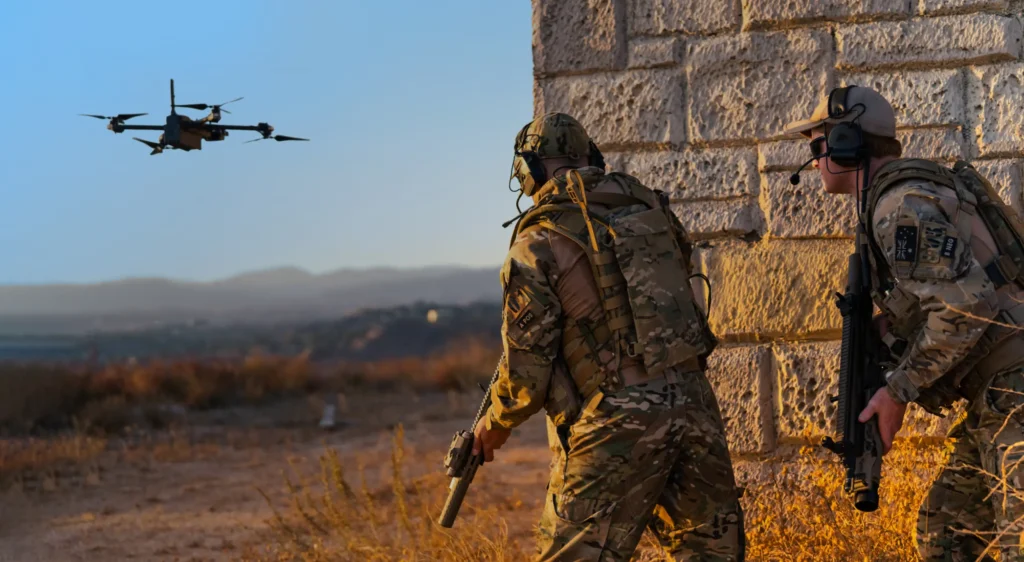
In the ever-evolving landscape of modern warfare, the impact of drones has emerged as a pivotal and transformative force. From their humble beginnings as rudimentary prototypes to the cutting-edge technological marvels of today, military drones have rewritten the playbook of strategic and tactical operations. This article delves into the multifaceted dimensions of “The Impact of Drones on the Future of Military Warfare,” exploring historical milestones, technological advancements, ethical considerations, and the trajectory of autonomous operations.
As we navigate through the historical pioneers and early prototypes, a fascinating journey unfolds, showcasing the gradual evolution that has led to the integration of advanced features like artificial intelligence and autonomous decision-making. Precision in warfare takes center stage as we explore how military drones redefine accuracy, providing strategic advantages through targeted strikes and real-time intelligence gathering. However, these technological marvels come with ethical complexities, raising concerns about civilian casualties, collateral damage, and privacy infringements. Looking forward, the integration of AI and the challenges of autonomy provide a glimpse into the future trajectory of drone warfare. Amidst these advancements, the global governance challenges highlight the need for adaptive regulatory frameworks. Join us on this exploration, where we unravel the intricate web of advantages, ethical considerations, and the future landscape shaped by the impact of drones on military warfare.
5 Key Takeaways:
- Technological Evolution in Warfare: Military drones represent a remarkable technological evolution in warfare, transitioning from historical prototypes to cutting-edge marvels. Understanding this evolution is crucial for comprehending the transformative impact of unmanned aerial vehicles on modern military strategies.
- Precision and Tactical Advantage: The precision offered by military drones in executing operations provides a significant tactical advantage. Their ability to conduct targeted strikes with surgical accuracy and gather real-time intelligence enhances strategic decision-making, minimizing collateral damage and optimizing operational efficiency.
- Ethical Dilemmas in Deployment: The use of military drones introduces complex ethical dilemmas, particularly regarding civilian casualties, collateral damage, and privacy concerns. Navigating these ethical considerations is essential for responsible and humane deployment, ensuring a delicate balance between military objectives and moral standards.
- Future Trajectory: AI Integration and Autonomy: The integration of artificial intelligence and the prospect of autonomous drone operations signify the future trajectory of military technology. Exploring this trajectory is vital for anticipating the evolving role of drones in global security, along with the ethical and strategic implications of increased autonomy.
- Global Governance Challenges: The absence of standardized international regulations poses challenges in ensuring responsible drone deployment on a global scale. Addressing these governance challenges requires collaborative efforts and adaptive frameworks to navigate the ethical, legal, and strategic complexities associated with military drone usage.
Evolution of Military Drones: From Concept to Cutting-Edge Integration
Historical Pioneers and Early Prototypes:
The journey of military drones begins with the visionaries and early prototypes that laid the groundwork for the transformative technology we witness today. Visionaries like Nikola Tesla and early prototypes during World War I set the stage for the conceptualization of unmanned aerial vehicles.
The first stirrings of drone technology emerged during World War I, where early attempts at creating unmanned aircraft were made. While these initial prototypes were rudimentary by today’s standards, they laid the foundation for the technological leaps that would follow.
Cutting-Edge Features and Technological Marvels:
Fast forward to the present day, and military drones have evolved into cutting-edge technological marvels. Advanced features such as stealth capabilities, artificial intelligence integration, and long-range communication systems define the current state of drone technology.
The modern military drone is a testament to technological innovation. Stealth features allow these unmanned aerial vehicles to operate covertly, AI integration enhances their decision-making capabilities, and sophisticated communication systems enable seamless coordination. This progression showcases the remarkable evolution from humble beginnings to the forefront of contemporary defense strategies.
Precision Warfare: Executing Operations with Surgical Accuracy
Targeted Strikes: Precision Redefined:
One of the defining aspects of military drones is their capability to redefine precision in warfare. Through targeted strikes, these unmanned vehicles execute operations with unparalleled accuracy. The ability to precisely target specific locations or individuals minimizes the risk of collateral damage and maximizes the impact of military actions.
Targeted strikes represent a seismic shift in military strategy, allowing for surgical precision in eliminating threats. The precision achieved through drone technology not only enhances the effectiveness of military operations but also addresses ethical concerns associated with indiscriminate attacks in traditional warfare.
Real-Time Intelligence: Enhancing Situational Awareness:
Military drones serve as indispensable intelligence assets, providing real-time data that enhances situational awareness on the battlefield. Equipped with advanced surveillance capabilities, these drones offer commanders a comprehensive understanding of dynamic situations, allowing for informed decision-making.
Real-time intelligence gathering has become a cornerstone of modern warfare, and military drones play a pivotal role in this paradigm. The ability to monitor and analyze ongoing situations in real-time enables commanders to adapt their strategies swiftly, responding to evolving threats with precision and efficiency.
Ethical Dimensions of Drone Warfare: Navigating Complex Dilemmas
Civilian Concerns and Collateral Damage:
The use of military drones introduces complex ethical dilemmas, particularly concerning civilian casualties and collateral damage. As these unmanned vehicles carry out targeted strikes, the potential for unintended harm to non-combatants raises profound moral questions. Navigating these concerns requires a delicate balance between achieving military objectives and minimizing harm to innocent lives.
Civilian casualties are a focal point of ethical considerations in drone warfare. The precision that defines drone strikes is intended to minimize collateral damage, but the reality is nuanced. Understanding and addressing the ethical implications of these operations are imperative to ensuring responsible and humane deployment of drone technology.
Privacy Considerations and Surveillance Ethics:
Beyond the battlefield, military drone usage raises ethical considerations related to privacy and surveillance. Constant aerial monitoring can infringe upon individual privacy, sparking debates about the boundaries between national security needs and individual rights. Striking a balance between effective surveillance and protecting civil liberties is a critical aspect of ethical drone deployment.
The surveillance capabilities of military drones extend beyond combat zones, presenting challenges in respecting individual privacy. As technology advances, ethical frameworks must evolve to address the implications of widespread aerial surveillance. Examining the ethical dimensions of privacy considerations becomes paramount as military drones continue to play a role in national defense strategies.
Future Trajectory: AI Integration and Autonomous Operations
AI-Driven Decision-Making: Redefining Autonomy:
The future of military drones is intricately tied to the integration of artificial intelligence (AI). AI-driven decision-making heralds a new era of autonomy, enabling drones to adapt and respond dynamically to evolving scenarios. This shift not only enhances operational efficiency but also raises questions about the ethical and strategic implications of machines making critical decisions.
The integration of AI into military drones signifies a paradigm shift in warfare. The ability of drones to make intelligent decisions based on real-time data introduces a level of adaptability and autonomy previously unseen. As this trajectory unfolds, considerations about accountability, ethical decision-making, and potential risks come to the forefront.
Challenges of Autonomy: Balancing Innovation with Oversight:
While the prospect of autonomous drone operations opens doors to innovation, it also poses significant challenges. The need for oversight and accountability becomes crucial as autonomous drones navigate complex and dynamic environments. Balancing the benefits of innovation with responsible governance ensures that autonomy enhances military capabilities without compromising ethical standards.
The challenges associated with autonomy in drone operations are multifaceted. From the potential for errors in decision-making to addressing unintended consequences, a thoughtful approach to innovation and oversight is essential. As the military embraces autonomous capabilities, striking the right balance becomes paramount for responsible and effective deployment.
Global Governance Challenges: Navigating Regulatory Complexities
Current Regulatory Landscape:
The global landscape of drone usage lacks standardized international regulations, presenting challenges in ensuring responsible deployment. Nations navigate a complex web of agreements and regulations, highlighting the need for a unified and comprehensive framework to govern the use of military drones.
The absence of a standardized regulatory landscape creates complexities for nations seeking to employ military drones responsibly. Examining the current regulatory frameworks reveals the gaps that must be addressed to ensure ethical and strategic considerations are upheld in a global context.
Adapting to Emerging Trends:
As drone technology continues to advance, regulatory frameworks must adapt to emerging trends. Rapid technological developments pose challenges and opportunities that demand flexible governance structures. Exploring how nations adapt to these emerging trends provides insights into the evolution of global regulatory frameworks governing military drone usage.
Adapting regulatory frameworks to accommodate emerging trends is imperative in addressing the fast-paced evolution of drone technology. The ability of nations to collaborate and adjust their governance structures reflects their commitment to responsible and ethical drone deployment.
Advantages of Military Drones: Leveraging Technological Superiority
Strategic Flexibility: Adapting to Dynamic Situations:
Military drones offer unparalleled strategic flexibility, seamlessly adapting to dynamic and evolving situations on the battlefield. Their agility allows commanders to respond swiftly to emerging threats, providing a versatile tool for effective decision-making. The ability to navigate diverse scenarios enhances the overall strategic adaptability of armed forces.
In the ever-changing landscape of warfare, the strategic flexibility offered by military drones becomes a force multiplier. Whether surveilling enemy movements, executing precision strikes, or gathering intelligence, the adaptability of drones ensures commanders maintain a decisive edge in dynamic and unpredictable environments.
Reduced Risk to Human Lives: Enhancing Safety in Operations:
One of the undeniable advantages of military drones is the significant reduction in risk to human lives. By executing operations remotely, these unmanned vehicles eliminate the immediate danger posed to military personnel in high-risk and hostile environments. The emphasis on safety enhances the overall effectiveness and efficiency of military operations.
Operating drones remotely mitigate the inherent risks associated with traditional warfare, where human lives are often on the frontline. This advantage not only protects military personnel but also allows for prolonged and sustained operations without compromising the safety of those serving in the armed forces.
Advantages of Military Drones:
- Precision Strikes: Military drones excel in executing precision strikes, significantly reducing the risk of collateral damage. This enhances the effectiveness of military operations by precisely targeting specific locations or individuals.
- Real-Time Intelligence: Drones serve as invaluable intelligence assets, providing real-time data that enhances situational awareness on the battlefield. This real-time intelligence gathering aids commanders in making informed and strategic decisions.
- Reduced Risk to Human Lives: Operating drones remotely reduces the risk to human lives, especially in high-risk and hostile environments. This advantage allows for prolonged and sustained military operations without compromising the safety of personnel.
- Strategic Flexibility: Military drones offer strategic flexibility, adapting to dynamic and evolving situations on the battlefield. Their agility allows commanders to respond swiftly to emerging threats, providing a versatile tool for effective decision-making.
- Technological Superiority: The cutting-edge technology integrated into military drones ensures technological superiority, giving armed forces a significant advantage in modern warfare scenarios.
Disadvantages of Military Drones:
- Ethical Dilemmas: The use of military drones introduces complex ethical dilemmas, including concerns about civilian casualties, collateral damage, and privacy infringements. Balancing strategic benefits with ethical standards poses challenges in the deployment of drone technology.
- Autonomous Operations Risks: As drones evolve towards increased autonomy, the risks associated with fully autonomous operations raise concerns. Issues such as accountability, ethical decision-making, and potential errors in decision-making become prominent.
- Privacy Concerns: Beyond the battlefield, military drone usage raises ethical considerations related to privacy and surveillance. Constant aerial monitoring can infringe upon individual privacy, sparking debates about the boundaries between national security needs and individual rights.
- Global Governance Challenges: The absence of standardized international regulations poses challenges in ensuring responsible drone deployment globally. This lack of governance creates complexities for nations seeking to employ military drones responsibly.
- Dependency on Technology: The reliance on advanced technology makes military operations susceptible to technological failures or cyber threats. Malfunctions, hacking, or technical issues can compromise the effectiveness of drone operations, posing a potential risk to mission success.
FAQs:
- Q: Can Drones Operate Fully Autonomously in Military Operations? A: While drones are evolving towards increased autonomy, they currently require human oversight. Fully autonomous operations raise concerns about accountability and ethical decision-making.
- Q: How Do Drones Minimize Collateral Damage in Precision Strikes? A: Precision strikes are achieved through advanced targeting systems and real-time surveillance, allowing for accurate identification of targets and minimizing the risk of collateral damage.
- Q: What Ethical Concerns Are Associated with Civilian Casualties in Drone Warfare? A: Civilian casualties in drone warfare raise ethical dilemmas. Balancing military objectives with the protection of non-combatants is a complex challenge in the deployment of drone technology.
- Q: Can Global Regulations Keep Pace with Advancing Drone Technology? A: The rapid evolution of drone technology poses challenges to international regulations. Ongoing dialogues and collaborations between nations are essential to establish comprehensive frameworks.
- Q: How Does the Media Influence Public Perception of Military Drones? A: Media plays a significant role in shaping public perception of military drones. Portrayals highlighting both strategic importance and potential negative consequences influence public opinion.