
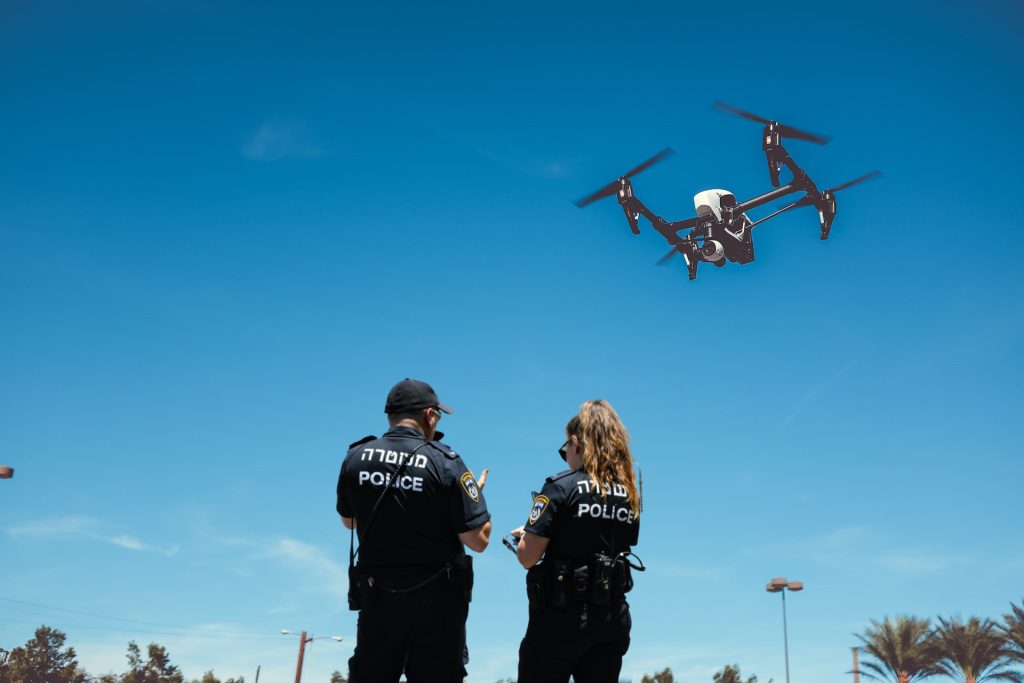
In the ever-evolving landscape of law enforcement, technology continues to play an increasingly crucial role. Among the latest innovations revolutionizing policing practices are police drones, also known as unmanned aerial vehicles (UAVs). These sophisticated devices have swiftly become indispensable assets for law enforcement agencies worldwide, reshaping the way officers approach surveillance, search and rescue missions, and emergency response scenarios.
The introduction of police drones signifies a paradigm shift in law enforcement, offering a plethora of benefits that enhance operational efficiency, officer safety, and community engagement. With their advanced capabilities, including high-resolution cameras, thermal imaging technology, and real-time data transmission, drones provide law enforcement agencies with unprecedented situational awareness and intelligence-gathering capabilities.
As we delve into the realm of police drones, it becomes evident that their versatility knows no bounds. From monitoring traffic patterns and managing large-scale events to aiding in criminal investigations and disaster response efforts, these UAVs have proven instrumental in tackling diverse challenges faced by law enforcement professionals.
In this comprehensive guide, we will explore the multifaceted applications of police drones, dissect their impact on policing practices, address regulatory considerations, and shed light on the future of law enforcement in an era defined by technological innovation. Join us on this journey as we uncover the transformative potential of police drones in keeping our communities safe and secure.
Key Takeaways
- Enhanced Operational Capabilities: Police drones offer law enforcement agencies unprecedented versatility, allowing them to perform a wide range of tasks, from surveillance and reconnaissance to search and rescue missions, with greater efficiency and effectiveness.
- Improved Officer Safety: By providing aerial perspectives and real-time situational awareness, drones contribute to officer safety by allowing law enforcement personnel to assess threats from a safe distance, minimizing the risk of injury or harm in potentially dangerous situations.
- Privacy and Regulatory Challenges: While the benefits of police drones are significant, their use raises important questions regarding privacy rights and regulatory compliance. Policymakers and law enforcement agencies must navigate these challenges responsibly to ensure that drone operations are conducted ethically and by established laws and guidelines.
- Community Engagement and Collaboration: Effective implementation of police drones requires collaboration between law enforcement agencies, government entities, and community stakeholders. Building trust and transparency is essential in ensuring that drone programs are accepted and supported by the communities they serve.
- Future Outlook: As technology continues to evolve, police drones are expected to play an increasingly prominent role in law enforcement operations. By embracing innovation and leveraging the latest advancements in drone technology, police departments can stay ahead of emerging threats and challenges, further enhancing public safety and security.
Unleashing the Power of Police Drones: Enhancing Law Enforcement Capabilities
Advancing Surveillance Techniques with Drones Police drones offer a game-changing advantage in surveillance operations, providing law enforcement agencies with an aerial perspective that traditional methods cannot match. Equipped with high-resolution cameras and thermal imaging technology, these UAVs enable officers to monitor large areas with precision and efficiency.
Deterrence and Crime Prevention: The mere presence of police drones can act as a deterrent to criminal activity, discouraging individuals from engaging in unlawful behavior. By patrolling high-crime areas or monitoring public events, drones contribute to proactive crime prevention efforts, helping to maintain public safety.
Efficient Monitoring of Critical Incidents: In emergencies such as natural disasters or large-scale events, police drones play a vital role in providing real-time intelligence to responding officers. From assessing the extent of damage to identifying potential hazards, drones assist in coordinating effective response efforts, ultimately saving lives and minimizing property damage.
Search and Rescue Missions: Saving Lives from Above When lives are at stake, every second counts, and police drones offer a lifeline in search and rescue operations. With their ability to cover vast areas quickly and access hard-to-reach locations, drones enhance the effectiveness of search efforts, increasing the likelihood of locating missing persons or survivors.
Rapid Deployment in Emergency Situations: Unlike traditional search methods that may require extensive manpower and resources, drones can be deployed rapidly to initiate search operations immediately. This swift response is critical in situations where individuals are in distress or danger, allowing rescue teams to reach them promptly.
Precision and Accuracy in Location Tracking: Equipped with GPS technology and thermal imaging cameras, police drones excel in pinpointing the exact location of individuals in need of rescue. Whether it’s locating a lost hiker in rugged terrain or a survivor stranded in floodwaters, drones provide invaluable assistance to search and rescue teams, guiding them to the target with precision.
Safeguarding Communities: Ensuring Officer Safety and Public Trust
Minimizing Risks to Law Enforcement Personnel In the line of duty, law enforcement officers often face hazardous situations that put their safety at risk. Police drones offer a strategic advantage by minimizing the need for officers to enter dangerous environments, thus reducing the likelihood of injuries or fatalities.
Remote Monitoring of High-Risk Incidents: In situations involving armed suspects or hazardous materials, drones provide law enforcement agencies with the ability to gather crucial intelligence from a safe distance. By conducting aerial surveillance, drones allow officers to assess the situation and formulate a tactical response without putting themselves in harm’s way.
Enhancing Situational Awareness: When responding to volatile situations such as active shooter scenarios or hostage crises, situational awareness is paramount. Police drones provide officers with real-time video feeds and aerial views of the area, enabling them to make informed decisions and adapt their tactics as the situation unfolds.
Fostering Trust and Transparency through Community Engagement Building trust between law enforcement agencies and the communities they serve is essential for effective policing. Police drones can play a pivotal role in fostering transparency and accountability by engaging with the public and addressing concerns about their use.
Educating the Community about Drone Operations: Many misconceptions surround the use of police drones, ranging from concerns about privacy invasion to fears of surveillance abuse. By actively engaging with community members and providing information about the purpose and limitations of drone operations, law enforcement agencies can alleviate fears and build trust.
Collaborating with Community Stakeholders: In developing drone policies and procedures, it’s crucial for law enforcement agencies to involve community stakeholders, including local residents, civil liberties organizations, and elected officials. By soliciting input and incorporating feedback from these groups, agencies can ensure that drone programs are implemented in a manner that respects individual rights and addresses community concerns.
Unleashing the Power of Police Drones: Enhancing Law Enforcement Capabilities
Advancing Surveillance Techniques with Drones Police drones offer a game-changing advantage in surveillance operations, providing law enforcement agencies with an aerial perspective that traditional methods cannot match. Equipped with high-resolution cameras and thermal imaging technology, these UAVs enable officers to monitor large areas with precision and efficiency.
Deterrence and Crime Prevention: The mere presence of police drones can act as a deterrent to criminal activity, discouraging individuals from engaging in unlawful behavior. By patrolling high-crime areas or monitoring public events, drones contribute to proactive crime prevention efforts, helping to maintain public safety.
Efficient Monitoring of Critical Incidents: In emergencies such as natural disasters or large-scale events, police drones play a vital role in providing real-time intelligence to responding officers. From assessing the extent of damage to identifying potential hazards, drones assist in coordinating effective response efforts, ultimately saving lives and minimizing property damage.
Search and Rescue Missions: Saving Lives from Above When lives are at stake, every second counts, and police drones offer a lifeline in search and rescue operations. With their ability to cover vast areas quickly and access hard-to-reach locations, drones enhance the effectiveness of search efforts, increasing the likelihood of locating missing persons or survivors.
Rapid Deployment in Emergency Situations: Unlike traditional search methods that may require extensive manpower and resources, drones can be deployed rapidly to initiate search operations immediately. This swift response is critical in situations where individuals are in distress or danger, allowing rescue teams to reach them on time.
Precision and Accuracy in Location Tracking: Equipped with GPS technology and thermal imaging cameras, police drones excel in pinpointing the exact location of individuals in need of rescue. Whether it’s locating a lost hiker in rugged terrain or a survivor stranded in floodwaters, drones provide invaluable assistance to search and rescue teams, guiding them to the target with precision.
Safeguarding Communities: Ensuring Officer Safety and Public Trust
Minimizing Risks to Law Enforcement Personnel In the line of duty, law enforcement officers often face hazardous situations that put their safety at risk. Police drones offer a strategic advantage by minimizing the need for officers to enter dangerous environments, thus reducing the likelihood of injuries or fatalities.
Remote Monitoring of High-Risk Incidents: In situations involving armed suspects or hazardous materials, drones provide law enforcement agencies with the ability to gather crucial intelligence from a safe distance. By conducting aerial surveillance, drones allow officers to assess the situation and formulate a tactical response without putting themselves in harm’s way.
Enhancing Situational Awareness: When responding to volatile situations such as active shooter scenarios or hostage crises, situational awareness is paramount. Police drones provide officers with real-time video feeds and aerial views of the area, enabling them to make informed decisions and adapt their tactics as the situation unfolds.
Fostering Trust and Transparency through Community Engagement Building trust between law enforcement agencies and the communities they serve is essential for effective policing. Police drones can play a pivotal role in fostering transparency and accountability by engaging with the public and addressing concerns about their use.
Educating the Community about Drone Operations: Many misconceptions surround the use of police drones, ranging from concerns about privacy invasion to fears of surveillance abuse. By actively engaging with community members and providing information about the purpose and limitations of drone operations, law enforcement agencies can alleviate fears and build trust.
Collaborating with Community Stakeholders: In developing drone policies and procedures, it’s crucial for law enforcement agencies to involve community stakeholders, including residents, civil liberties organizations, and elected officials. By soliciting input and incorporating feedback from these groups, agencies can ensure that drone programs are implemented in a manner that respects individual rights and addresses community concerns.
Advantages of Police Drones:
- Enhanced Surveillance: Police drones provide law enforcement agencies with aerial surveillance capabilities, allowing them to monitor large areas quickly and efficiently.
- Improved Officer Safety: By minimizing the need for officers to enter dangerous environments, drones help mitigate risks and enhance officer safety during various operations.
- Rapid Response: Drones can be deployed swiftly in emergencies, enabling law enforcement agencies to assess critical incidents and coordinate response efforts on time.
- Cost-Effectiveness: Compared to traditional surveillance methods involving helicopters or manned aircraft, drones offer a more cost-effective solution for aerial monitoring and reconnaissance.
- Versatility: Police drones can be used for a wide range of applications, including search and rescue missions, traffic monitoring, crime scene investigation, and crowd control, making them versatile tools for law enforcement agencies.
Disadvantages of Police Drones:
- Privacy Concerns: The use of drones for surveillance raises significant privacy concerns, as they have the potential to infringe on individual rights and liberties if not used responsibly.
- Risk of Misuse: In the wrong hands, police drones could be misused for unauthorized surveillance, invasion of privacy, or other unethical purposes, highlighting the importance of strict regulations and oversight.
- Technical Limitations: While drones offer advanced capabilities, they are not without limitations, such as limited flight time, restricted payload capacity, and susceptibility to weather conditions, which may impact their effectiveness in certain situations.
- Public Perception: Some members of the public may have reservations or distrust regarding the use of drones by law enforcement, citing concerns about surveillance, data security, and potential misuse of technology.
- Legal and Regulatory Challenges: The rapid evolution of drone technology has outpaced the development of comprehensive regulations governing their use, leading to legal ambiguities and regulatory challenges for law enforcement agencies seeking to implement drone programs responsibly.
Police Drones: Frequently Asked Questions
What are the primary uses of police drones? Police drones are used for various purposes, including surveillance, search and rescue missions, traffic management, and crime scene investigation.
How do police drones enhance officer safety? By providing aerial perspectives and real-time situational awareness, police drones help officers assess threats from a safe distance, reducing the risk of injury or harm.
Are there privacy concerns associated with police drone use? Yes, the use of police drones raises privacy concerns, and law enforcement agencies must implement policies to protect individual rights and ensure responsible use.
What regulations govern the use of police drones? Regulations governing the use of police drones vary by jurisdiction but typically address airspace restrictions, privacy laws, and operational guidelines for law enforcement agencies.
How do police departments ensure accountability in drone operations? Police departments establish protocols for drone deployment, including documentation of missions, training requirements for operators, and oversight mechanisms to ensure compliance with regulations and policies.
Can civilians operate drones in collaboration with law enforcement? Some law enforcement agencies collaborate with civilian drone operators for specific missions, such as search and rescue operations or aerial photography for crime scene documentation.
Conclusion
Police drones have emerged as invaluable tools for modern law enforcement, offering enhanced capabilities to support public safety and operational efficiency. While their adoption presents challenges related to privacy, regulation, and accountability, the benefits they provide in terms of officer safety, situational awareness, and community engagement cannot be overstated. As technology continues to advance, police departments must embrace innovation responsibly, ensuring that drone programs are implemented ethically and with the utmost consideration for individual rights and public trust.
Leave a Reply